
How Much Does It Usually Cost to Fix Your Foundation?
Jun 22, 2026
Foundation problems can make any homeowner nervous. Cracks in the walls, uneven floors, or sticking doors often leave people wondering if they’re facing a small repair or a major structural issue. One of the first questions homeowners ask is: how much does foundation repair usually cost?
The truth is that foundation repair costs can vary widely depending on the type of problem, how long it has been developing, and the repair method needed. In some cases, minor cracks or settling may only require a relatively small repair. In other situations, delaying repairs can allow damage to spread and lead to much higher costs over time.
That’s why it’s important not to assume the worst based on what you see online. Some foundation cracks are cosmetic, while others may point to underlying structural movement. The best way to understand what’s really happening is through a professional inspection.
At APEX, we help homeowners identify foundation issues early, explain their options clearly, and recommend repairs that fit the actual condition of the home, not unnecessary upsells.
What Is the Average Foundation Repair Cost?
The average foundation repair cost depends on the severity of the damage and the type of repair your home needs. Small repairs may only cost a few hundred dollars, while larger structural stabilization projects can cost significantly more.
Most homeowners fall somewhere in between.
| Repair Type | Typical Cost Range |
| Minor crack repair | $500–$2,000 |
| Drainage corrections | $2,000–$6,000 |
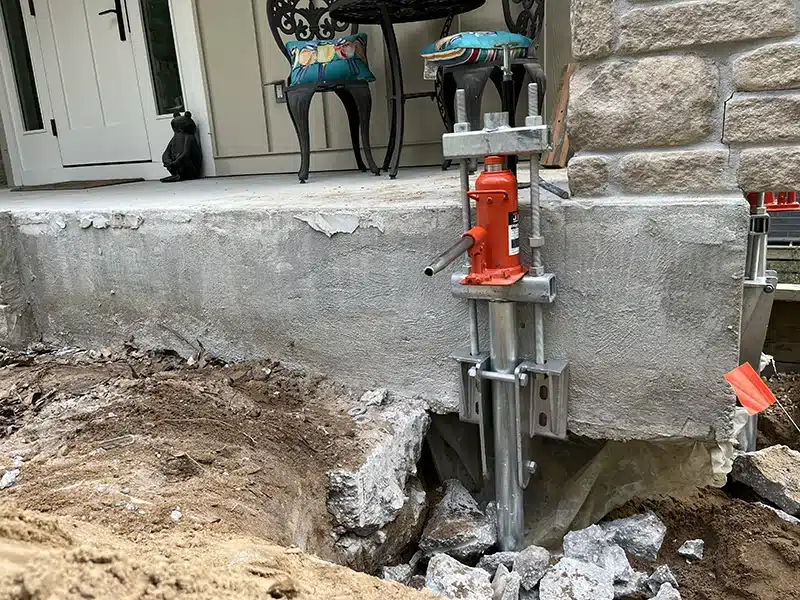
| Foundation stabilization | $4,000–$15,000+ |
| Major structural repairs | Varies by home |
It’s important to remember that not every crack or sign of movement means your home needs extensive foundation repair. Some issues are cosmetic or caused by normal settling. However, waiting too long to investigate foundation problems can allow structural damage, moisture intrusion, or soil movement to worsen over time.
For example, a small crack that could have been repaired early may eventually lead to water intrusion, uneven floors, or wall movement if the underlying issue continues. Early detection often helps homeowners avoid more invasive and expensive repairs later.
Several factors can influence the cost to fix a foundation, including:
- The type of foundation your home has
- Soil conditions around the property
- Moisture and drainage issues
- The size of the affected area
- How long the damage has been developing
- Whether the problem is cosmetic or structural
Because every home is different, online pricing estimates can only provide a general idea. A professional inspection helps determine the actual cause of the issue and whether repairs are minor, moderate, or more extensive.
At APEX, homeowners receive a free foundation inspection to better understand what’s happening with their home before making repair decisions.
What Factors Affect Foundation Repair Costs?
No two foundation problems are exactly alike. The cost to fix a foundation depends on several factors, including the type of damage, the condition of the soil around the home, and how early the issue is addressed.
Some repairs are relatively straightforward. Others require more extensive structural stabilization to stop continued movement and protect the home long term.
Here are some of the biggest factors that influence foundation repair pricing.
Type of Foundation Problem
The specific issue affecting your home plays a major role in repair costs.
Minor cosmetic cracks may require a simple repair, while structural settlement or bowing walls often involve more advanced stabilization systems. Water-related foundation problems can also increase repair complexity if drainage issues are contributing to the damage.
Common foundation problems include:
- Foundation settlement
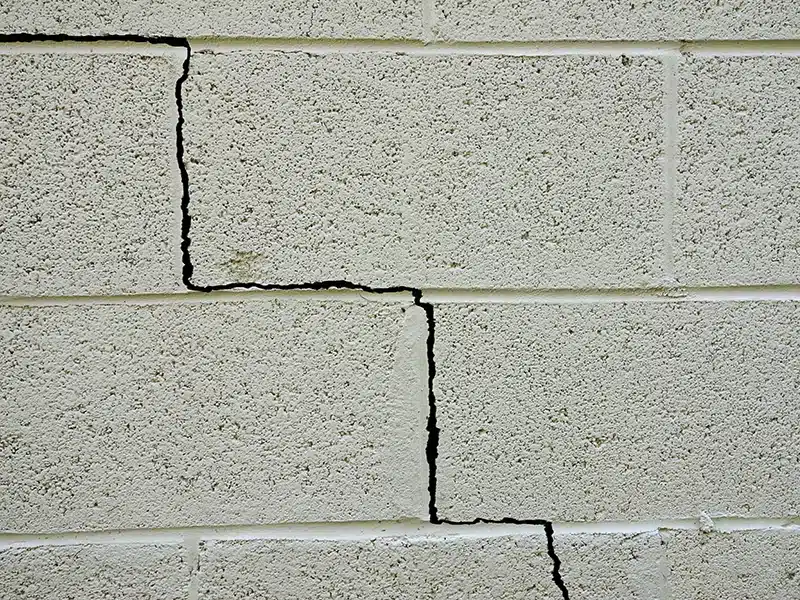
- Horizontal or stair-step cracks
- Bowing basement walls
- Uneven or sagging floors
- Water intrusion and moisture damage
- Crawl space structural issues
In many cases, homeowners don’t know whether the problem is cosmetic or structural until a professional inspection is completed.
How Long the Damage Has Been Developing
One of the biggest cost factors is how long the issue has been ignored.
Foundation problems rarely improve on their own. Small signs of movement can gradually become larger structural concerns as the soil continues shifting beneath the home or moisture problems remain unresolved.
For example, a minor crack may not seem urgent at first. But over time, that same issue could lead to:
- Larger wall cracks
- Uneven flooring
- Sticking windows and doors
- Water intrusion
- Additional structural movement
Catching problems early often means simpler repairs, lower costs, and less disruption to the home.
Soil and Drainage Conditions
The soil around your home has a direct impact on foundation stability.
Expansive soils, poor drainage, and excess moisture can cause the ground beneath a home to shift repeatedly over time. As the soil expands and contracts, the foundation may settle unevenly or develop cracks.
Common drainage-related causes of foundation damage include:
- Poor yard grading
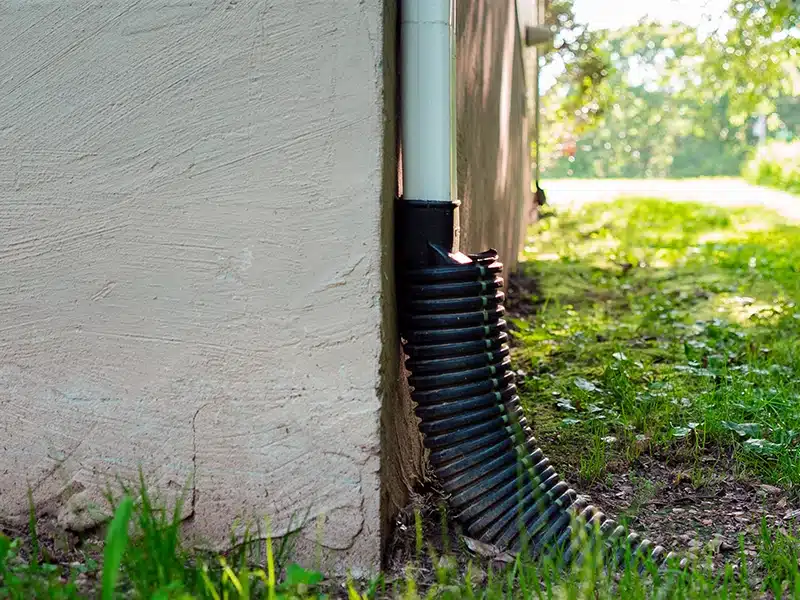
- Clogged gutters or downspouts
- Standing water near the foundation
- Plumbing leaks
- Improper drainage systems
In some situations, correcting drainage issues is an important part of preventing future foundation movement.
Size of the Affected Area
Smaller isolated foundation problems typically cost less to repair than widespread structural movement affecting multiple areas of the home.
For example, repairing one section of settling foundation may require fewer materials and less labor than stabilizing several sides of a home experiencing ongoing movement.
The larger the affected area, the more involved the repair process may become.
Type of Foundation
Different foundation systems can require different repair methods.
Homes may have:
- Slab foundations
- Basement foundations
- Crawl space foundations
Each type of foundation responds differently to soil movement and moisture conditions. Repair access, structural layout, and stabilization methods can all affect the overall project cost.
That’s why accurate inspections matter. Two homes with similar symptoms may require completely different repair solutions depending on how the home was built and what’s causing the movement.
The good news is that not every foundation issue turns into a major structural repair. Many homeowners discover their problem is manageable when caught early. A professional inspection helps identify the real cause of the issue and determines the best path forward before costs increase further.
Small Foundation Problems vs. Serious Structural Issues
One of the biggest misconceptions homeowners have is assuming every crack means catastrophic foundation damage. In reality, some foundation issues are relatively minor, while others may point to more significant structural movement.
The challenge is knowing the difference.
Certain signs can appear harmless at first but gradually worsen over time. That’s why it’s important to have foundation concerns evaluated early instead of waiting for visible damage to spread throughout the home.
Minor Foundation Issues May Include:
Some small foundation problems are cosmetic or caused by normal settling over time.
These may include:
- Thin hairline cracks in drywall
- Small vertical foundation cracks
- Minor concrete shrinkage cracks
- Slight settling in older homes
- Small seasonal changes from temperature or moisture
In many cases, these issues can be monitored or repaired before they develop into larger structural concerns.
More Serious Structural Problems May Include:
Other warning signs may indicate active foundation movement or structural instability.
These problems often require professional repair solutions to prevent continued damage.
Common signs of serious foundation problems include:
- Stair-step cracks in brick or block walls
- Bowing or leaning basement walls
- Large horizontal cracks
- Uneven or sloping floors
- Doors and windows sticking repeatedly
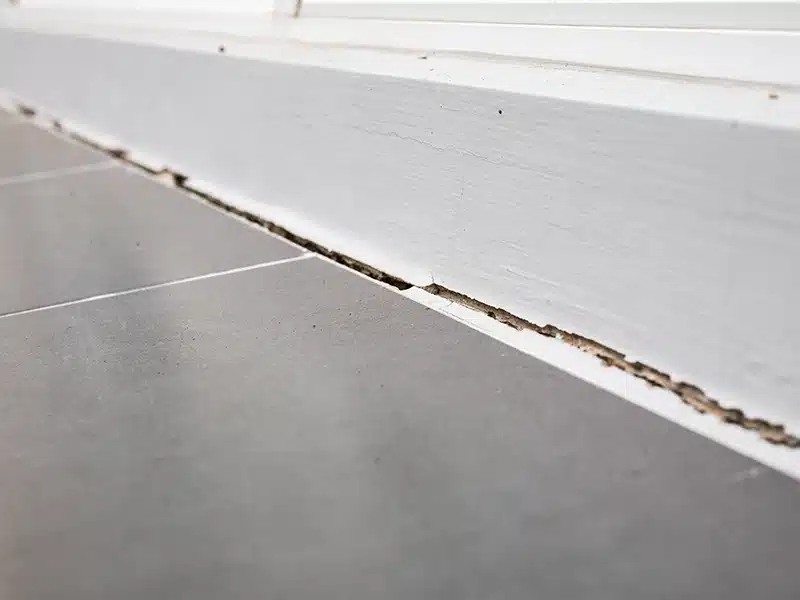
- Gaps forming around windows or trim
- Cracks that continue growing over time
These symptoms may suggest the foundation is shifting unevenly or experiencing pressure from soil movement and moisture buildup.
Why a Professional Foundation Inspection Matters
It’s difficult for homeowners to determine whether a foundation issue is cosmetic or structural just by looking at a crack or uneven floor.
Two homes can show similar symptoms while requiring very different repair approaches. What appears minor on the surface may point to a deeper issue beneath the home. On the other hand, some cracks may simply be part of normal settling and not require major repairs.
That’s why professional inspections are so important.
At APEX, foundation inspections help homeowners understand:
- What’s causing the issue
- Whether the damage is active or cosmetic
- How serious the problem actually is
- What repair options make the most sense
In many cases, identifying the problem early can help homeowners avoid larger structural repairs and higher costs later on.
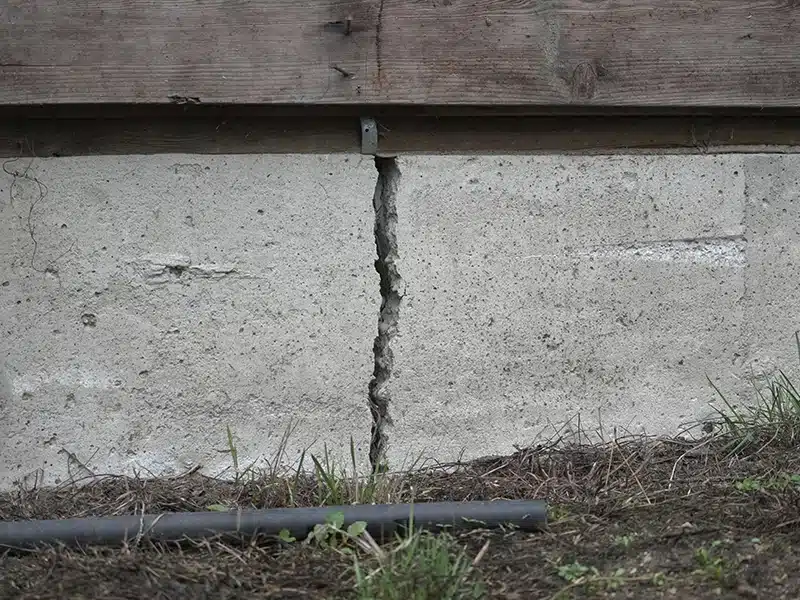
What Happens If You Delay Foundation Repairs?
Foundation problems rarely stay the same for long. Even small issues can become more serious when the underlying cause continues affecting the home.
What starts as a minor crack or slight settling may eventually lead to larger structural problems, water intrusion, or damage to other parts of the property. In many cases, waiting is what turns a manageable repair into a much more expensive project.
Small Problems Can Grow Quickly
Foundation movement often happens gradually. Because the damage develops over time, many homeowners put off inspections while monitoring the issue themselves.
Unfortunately, continued soil movement and moisture changes can cause problems to spread.
Delaying foundation repairs may lead to:
- Larger wall and floor cracks
- Uneven or sagging floors
- Sticking doors and windows
- Basement water intrusion
- Crawl space moisture issues
- Structural instability in other areas of the home
The longer the problem continues, the more difficult and expensive repairs can become.
Water Damage Often Makes Foundation Problems Worse
Moisture is one of the biggest contributors to foundation damage.
Poor drainage, standing water, and excess soil moisture can increase pressure against foundation walls and weaken soil stability beneath the home. Over time, this may accelerate settling and structural movement.
Homeowners sometimes focus only on visible cracks while missing the drainage or moisture problems causing the damage underneath.
That’s why many foundation repair plans also involve evaluating:
- Gutters and downspouts
- Yard grading
- Drainage systems
- Crawl space moisture
- Basement waterproofing concerns
Addressing the source of the problem helps protect the home long term.
Delaying Repairs Can Affect Home Value
Foundation issues can also impact resale value and make future home sales more complicated.
Visible structural damage may raise concerns during inspections, especially if cracks, uneven floors, or moisture problems continue worsening over time.
Early repairs often help homeowners:
- Protect property value
- Prevent additional structural damage
- Avoid larger repair projects later
- Maintain buyer confidence if selling the home
Early Inspections Help Homeowners Make Better Decisions
Not every foundation issue requires major structural work. Some homeowners discover their concerns are relatively minor when evaluated early.
The key is identifying the problem before significant damage develops.
At APEX, free foundation inspections help homeowners understand what’s happening with their home and whether repairs are needed now, later, or simply monitored over time. Catching issues early can often reduce repair costs and prevent much larger problems down the road.
Is Foundation Repair Worth the Cost?
For many homeowners, foundation repair can feel like an unexpected expense. But when structural issues are left unresolved, the damage often spreads beyond the foundation itself.
Over time, foundation movement can affect:
- Floors
- Walls
- Windows and doors
- Plumbing lines
- Crawl spaces and basements
- Overall home stability
Addressing problems early is usually far more affordable than waiting for widespread structural damage to develop.
| Repair Early | Wait Too Long |
| Smaller repairs | Larger structural repairs |
| Lower costs | Higher long-term costs |
| Less disruption | More invasive work |
| Better protection for home value | Increased resale concerns |
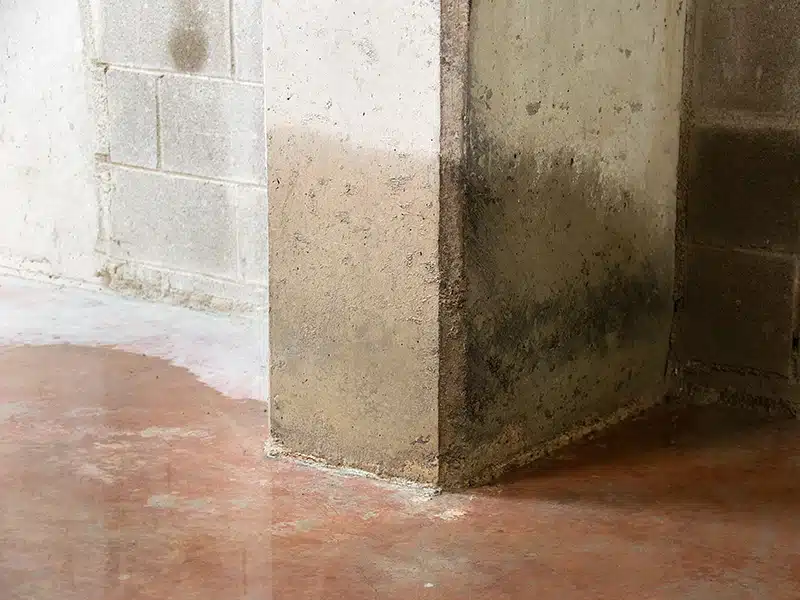
Foundation Repair Helps Protect Your Home
Your foundation supports the entire structure of your home. When it begins shifting or settling unevenly, the effects can gradually impact multiple areas throughout the property.
Professional foundation repair helps:
- Stabilize the home
- Prevent continued movement
- Reduce the risk of worsening cracks
- Protect against future structural damage
- Improve long-term safety and stability
In many cases, repairs also help homeowners avoid repeated cosmetic fixes caused by ongoing movement beneath the home.
Early Repairs Are Often More Manageable
One of the biggest misconceptions about foundation repair is assuming every project will involve major construction.
In reality, many homeowners catch problems before they become severe. Early inspections can sometimes identify manageable issues that require less extensive repairs compared to long-term structural damage.
For example:
- A small settling issue may only affect one section of the home
- Drainage corrections may help prevent future movement
- Minor crack repairs may stop moisture intrusion before it worsens
The earlier the issue is identified, the more options homeowners often have.
Peace of Mind Matters Too
Foundation problems can create a lot of uncertainty for homeowners. Cracks, uneven floors, or sticking doors may leave people wondering whether their home is safe or if the damage is getting worse.
A professional inspection provides clarity.
At APEX, homeowners receive honest recommendations based on the actual condition of the home. Sometimes repairs are needed immediately. Other times, the issue may simply need monitoring or preventative improvements.
Either way, understanding the true condition of your foundation helps you make informed decisions and avoid unnecessary stress.
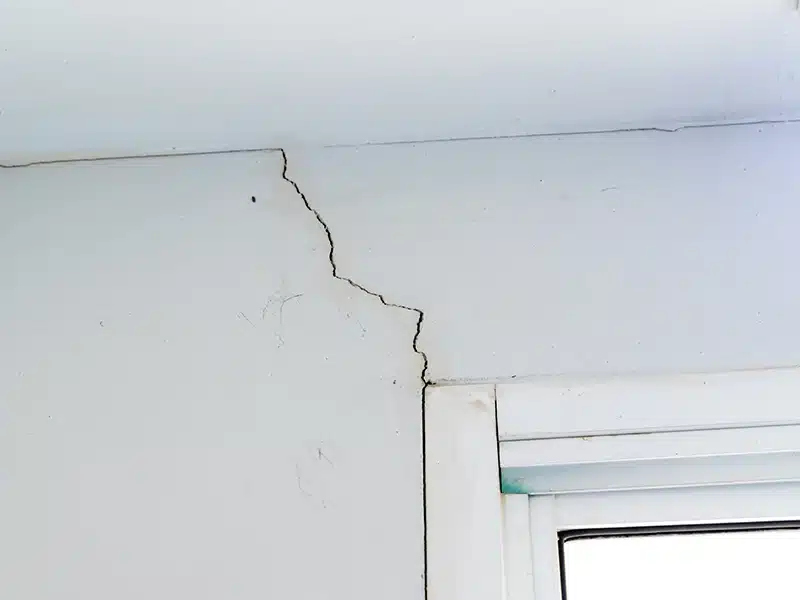
How to Get an Accurate Foundation Repair Estimate
Online foundation repair cost guides can provide general pricing ranges, but they can’t tell you exactly what’s happening beneath your home.
Two houses with similar cracks may require completely different repair solutions depending on the cause of the damage, the soil conditions, and how long the problem has been developing.
That’s why a professional inspection is the best way to get an accurate foundation repair estimate.
Every Foundation Problem Is Different
Foundation repair costs vary because no two homes experience movement in exactly the same way.
Several factors influence the final repair recommendation, including:
- The type of foundation
- Severity of settlement or movement
- Drainage and moisture conditions
- Soil stability around the home
- Size of the affected area
- Whether the issue is cosmetic or structural
A quick online estimate can’t fully evaluate those conditions.
Some Issues May Be Less Serious Than They Look
Many homeowners assume the worst when they notice cracks or uneven floors. However, not every sign of movement means the home needs major structural repair.
Some problems may involve:
- Normal settling
- Minor cosmetic cracking
- Isolated drainage issues
- Small repair areas caught early
This is one reason inspections are so valuable. They help homeowners separate manageable concerns from more serious structural issues before making assumptions based on internet pricing alone.
A Thorough Inspection Helps Prevent Bigger Costs Later
Even when foundation issues appear small, identifying the underlying cause early can help prevent larger repairs in the future.
For example, an inspection may uncover:
- Drainage problems causing soil movement
- Moisture buildup in crawl spaces
- Early settlement patterns
- Areas vulnerable to continued shifting
Addressing these issues early often helps homeowners avoid more invasive repairs later on.
What to Expect During a Foundation Inspection
A professional foundation inspection typically includes evaluating:
- Visible cracks and structural signs
- Floor unevenness
- Basement or crawl space conditions
- Exterior grading and drainage
- Signs of moisture intrusion
- Areas showing settlement or movement
The goal is to determine whether the issue is cosmetic, moderate, or structural and recommend the most appropriate next steps for the home.
Why Homeowners Trust APEX for Foundation Repair
Choosing the right foundation repair company matters just as much as addressing the problem itself. Homeowners want honest answers, reliable solutions, and confidence that the repair plan is truly designed for their home’s needs.
At APEX, our goal is to help homeowners understand what’s happening with their foundation and provide recommendations based on the actual condition of the home, not fear-based sales tactics.
Many foundation concerns turn out to be manageable when caught early. Others require more advanced structural repairs to prevent ongoing damage. Either way, homeowners deserve clear guidance from experienced professionals they can trust.
What Sets APEX Apart
Homeowners choose APEX because we focus on long-term solutions and straightforward communication throughout the repair process.
Free Foundation Inspections
Our inspections help homeowners determine whether issues are cosmetic, moderate, or structural before making repair decisions.
Honest Recommendations
Not every crack requires major structural repair. We help homeowners understand the true cause of the issue and recommend only the solutions that make sense for the home.
Experienced Foundation Specialists
Our team understands how soil conditions, moisture, drainage, and structural movement affect homes over time.
Customized Repair Plans
Every home is different. We tailor repair recommendations based on the property’s foundation type, condition, and long-term stability needs.
Solutions for Multiple Foundation Types
We work with:
- Basement foundations
- Crawl space foundations
- Slab foundations
Focus on Preventing Future Damage
Our approach addresses underlying causes like settlement, moisture, and drainage issues to help reduce the risk of future structural problems.
Helping Homeowners Take Action Early
One of the most important parts of foundation repair is identifying problems before they become significantly more expensive to fix.
Homeowners often wait because they worry about worst-case scenarios or assume repairs will automatically be overwhelming and costly. In reality, early inspections can sometimes uncover smaller issues before major structural damage develops.
At APEX, we help homeowners make informed decisions with clear explanations, professional evaluations, and repair solutions designed to protect their home long term.
Frequently Asked Questions About Foundation Repair Costs
How much does foundation repair usually cost?
Foundation repair costs can vary depending on the severity of the issue and the type of repair needed. Minor crack repairs may cost a few hundred dollars, while larger structural stabilization projects can cost significantly more. The best way to determine the actual cost is through a professional foundation inspection.
Can foundation cracks be cosmetic?
Yes. Some foundation cracks are cosmetic and may result from normal settling or concrete shrinkage over time. However, other cracks may indicate structural movement or moisture-related problems. A professional inspection can help determine whether the crack is minor or a sign of a larger issue.
Does homeowners insurance cover foundation repair?
In many cases, homeowners insurance does not cover foundation repair caused by normal settling, soil movement, or drainage issues. However, coverage may apply if the damage resulted from a covered event such as sudden plumbing leaks or storm-related incidents. Coverage depends on the specific policy.
What causes foundation problems?
Foundation issues are often caused by soil movement, moisture changes, poor drainage, plumbing leaks, or expanding and contracting soil beneath the home. Over time, these conditions can cause foundations to settle unevenly or develop structural cracks.
Is it cheaper to repair foundation problems early?
Usually, yes. Catching foundation issues early can often prevent larger structural repairs later. Small cracks or minor settlement may become more serious if movement continues over time. Early inspections help homeowners address problems before costs increase.
How long does foundation repair take?
The timeline depends on the size and complexity of the repair. Some smaller repairs may only take a day or two, while larger stabilization projects can take longer. A professional inspection can provide a more accurate project timeline based on the home’s condition.
What are common signs of foundation problems?
Common warning signs include:
- Cracks in walls or foundations
- Uneven floors
- Sticking doors and windows
- Bowing basement walls
- Gaps around trim or windows
- Crawl space moisture issues
These symptoms may indicate foundation movement or structural settlement.
Are free foundation inspections worth it?
Yes. A free inspection helps homeowners understand whether foundation concerns are cosmetic, moderate, or structural. Inspections can also identify drainage or moisture issues contributing to the problem before more expensive damage develops.
Can I live in my house during foundation repairs?
In many cases, yes. Most foundation repairs allow homeowners to remain in the home while work is completed. The repair method and project size will determine how much disruption to expect.
How do I know if my foundation problem is serious?
It can be difficult to tell without a professional evaluation. Some cracks and settling are minor, while others may indicate ongoing structural movement. If you notice worsening cracks, uneven floors, bowing walls, or sticking doors and windows, scheduling a foundation inspection is a smart next step.
Protect Your Home Before Foundation Problems Get Worse
Foundation repair costs can vary widely depending on the type of problem, how early it’s identified, and the repair solution required. While some issues may be cosmetic or relatively minor, delaying repairs can allow structural damage and moisture problems to worsen over time.
The good news is that not every crack means major foundation failure. A professional inspection can help determine what’s really happening and whether repairs are needed now, later, or simply monitored moving forward.
At APEX, we help homeowners identify foundation problems early, explain their options clearly, and recommend solutions designed to protect their home long term. If you’ve noticed cracks, uneven floors, sticking doors, or other warning signs, scheduling a free foundation inspection can help you get answers before small issues become much larger repairs.

Foundation Problems? We Have Solutions
Left untreated, a damaged foundation can lead to much bigger problems that will inevitably cost you. Instead of waiting to see what happens, call Apex Foundation Specialists today.