
Can You Live in a House While the Foundation Is Being Repaired?
Jun 22, 2026
If your home needs foundation repair, one of the first questions you’ll probably ask is: Can we still live here while the work is being done?
In many cases, the answer is yes. Most homeowners can stay in their house during foundation repairs. However, the right choice depends on the severity of the damage, the type of repair being performed, and how disruptive the work will be.
Some repairs create little more than noise and minor vibration. Others may involve heavy equipment, temporary utility interruptions, or structural safety concerns that make leaving the home the better option.
The good news is that an experienced foundation repair contractor will explain exactly what to expect before work begins. Knowing the process ahead of time can help you prepare your family, protect your home, and avoid unnecessary stress.
In this guide, we’ll break down when it’s safe to stay in your home during foundation repair, what the process usually looks like, and how to make the experience as smooth as possible.

The Short Answer: Yes, But It Depends
Most homeowners can continue living in their house during foundation repair. In fact, many foundation repairs are completed with minimal disruption to daily life.
That said, every home is different. The answer depends on several factors, including the extent of the structural damage, the repair method being used, and whether the work affects critical areas of the home.
Some projects only involve exterior work around the foundation. Others may require crews to work inside the home, temporarily shut off utilities, or stabilize sections of the structure that are no longer safe.
Here’s a quick look at common situations homeowners face during the foundation repair process:
| Situation | Stay in Home? |
| Minor settling issues | Usually yes |
| Exterior pier installation | Often yes |
| Interior structural repairs | Sometimes |
| Severe structural instability | Usually no |
Factors That Determine Whether You Can Stay in the Home
Severity of Foundation Damage
Homes with minor foundation settlement or small structural shifts are usually safe to occupy during repairs. However, severe movement, collapsing walls, or major structural instability may require temporary relocation for safety reasons.
Type of Foundation Repair
Some repair methods are far less disruptive than others. For example:
- Exterior pier installation often allows homeowners to remain inside
- Crawl space foundation repair may create noise but limited interruption
- Slab foundation repair can involve flooring removal or interior access
- Structural lifting may temporarily affect doors, windows, plumbing, or utilities
Safety Concerns
Your contractor’s first priority should always be safety. If the structure is unstable or if repairs involve significant lifting and stabilization, your contractor may recommend leaving the home temporarily.
Noise, Dust, and Daily Disruption
Even when it’s technically safe to stay in the home, some families choose to leave for comfort reasons. Foundation repair can involve:
- Loud equipment
- Vibrations
- Dust and debris
- Restricted access to parts of the house
- Workers moving in and out throughout the day
For households with small children, pets, elderly family members, or people who work from home, a short hotel stay may simply be more convenient.
The Most Important Step: Get a Professional Inspection
The only way to know for sure whether you can safely remain in your home during foundation repair is to have the property evaluated by an experienced foundation specialist.
A professional inspection can determine:
- Whether the structure is stable
- How extensive the repairs will be
- What areas of the home will be affected
- Whether utilities may be interrupted
- What timeline to expect
Clear communication before the project starts helps eliminate surprises and makes the entire repair process easier to manage.
What the Foundation Repair Process Usually Looks Like
Many homeowners feel nervous about foundation repair because they are not sure what actually happens during the process. The reality is that most repairs follow a clear, organized plan designed to stabilize your home as safely and efficiently as possible.
Understanding the foundation repair process can help you know what to expect and decide whether staying in the home makes sense for your situation.
Inspection and Repair Planning
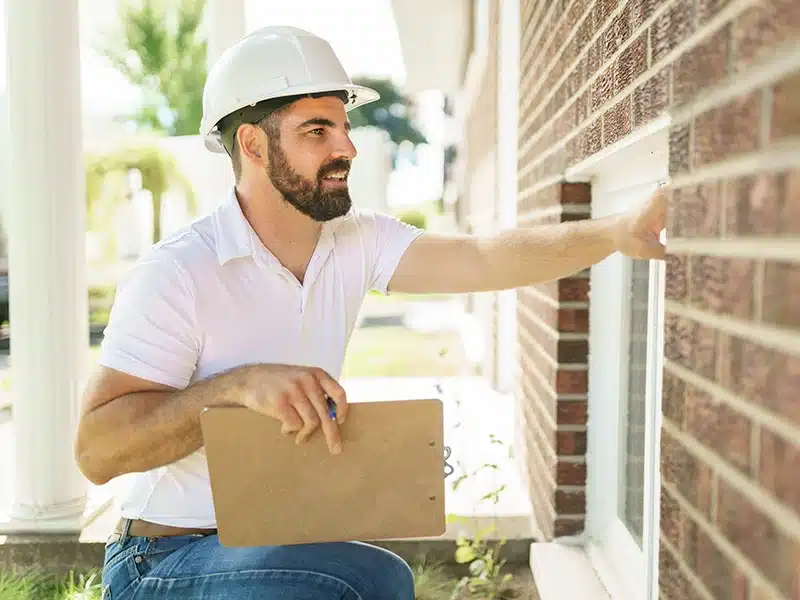
Every project starts with a detailed inspection. A foundation repair specialist will evaluate the condition of your home, identify the cause of the problem, and recommend the best repair solution.
During this stage, contractors typically look for:
- Foundation settlement
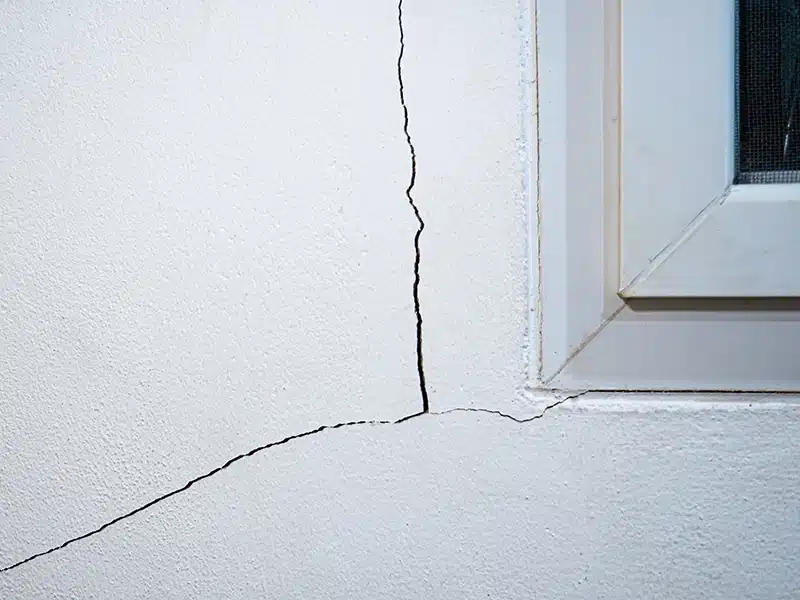
- Cracks in walls or floors
- Uneven floors
- Moisture intrusion
- Structural movement
- Crawl space or slab damage
They will also explain:
- The repair method being used
- Estimated timeline
- Areas of the home affected
- Safety considerations during construction
This is the best time to ask questions about living in the home during repairs.
Excavation or Pier Installation
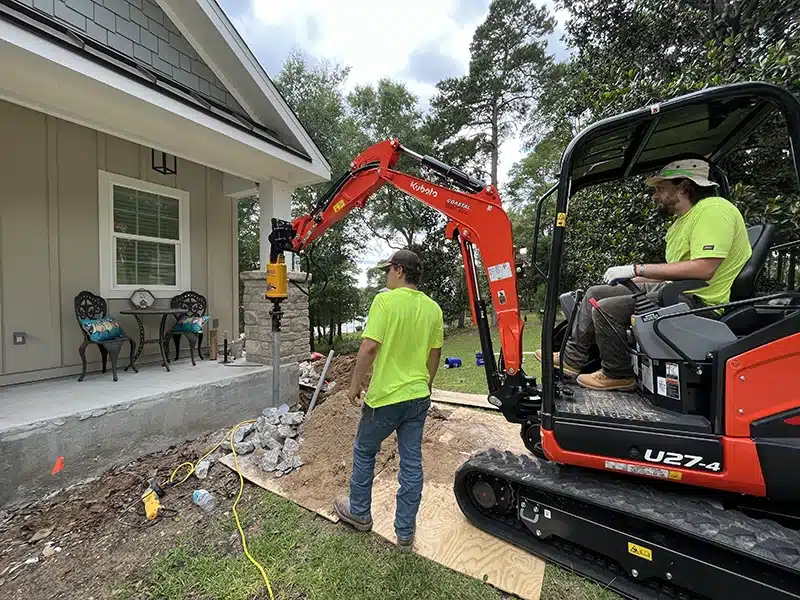
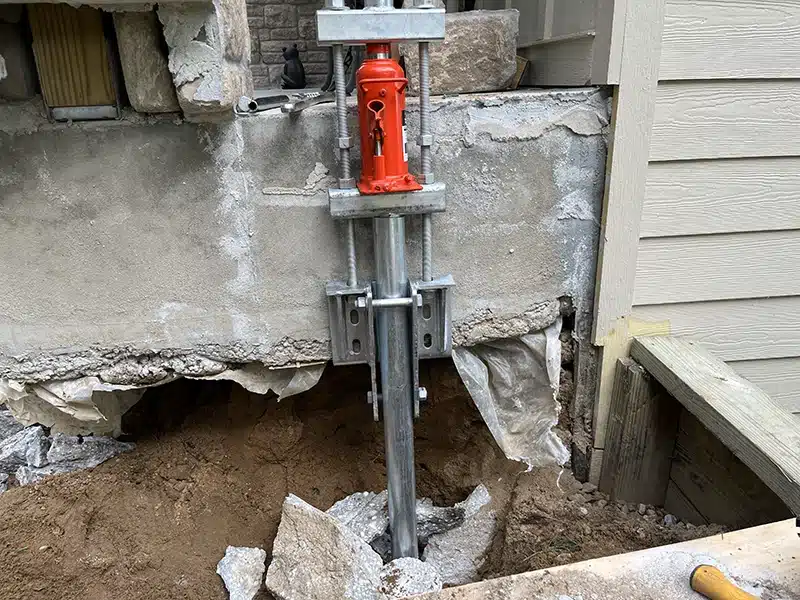
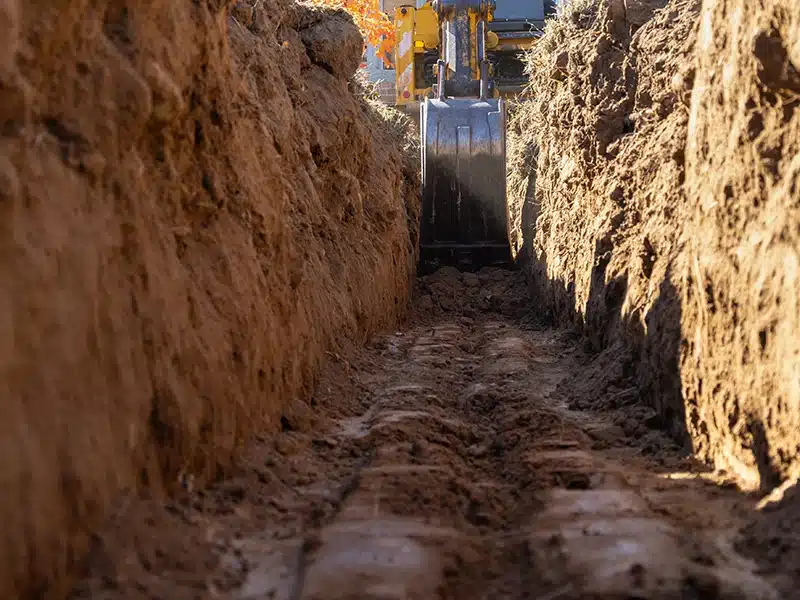
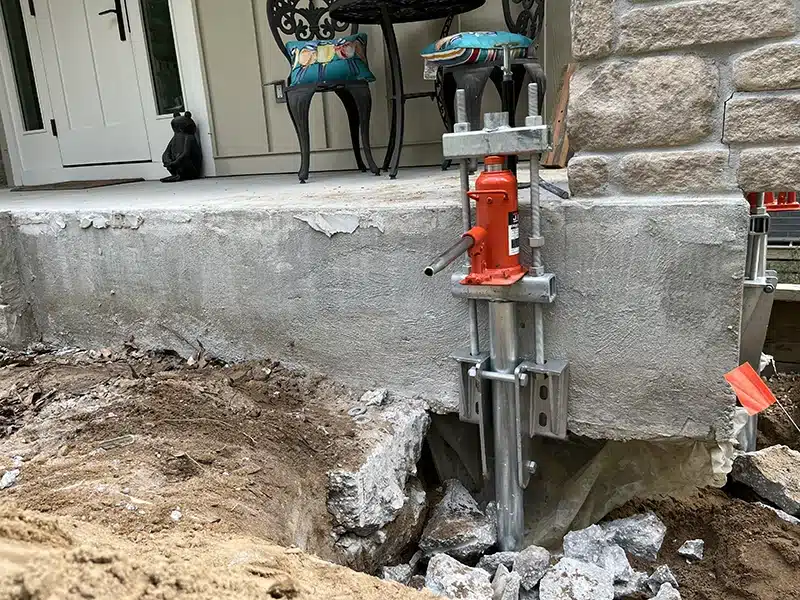
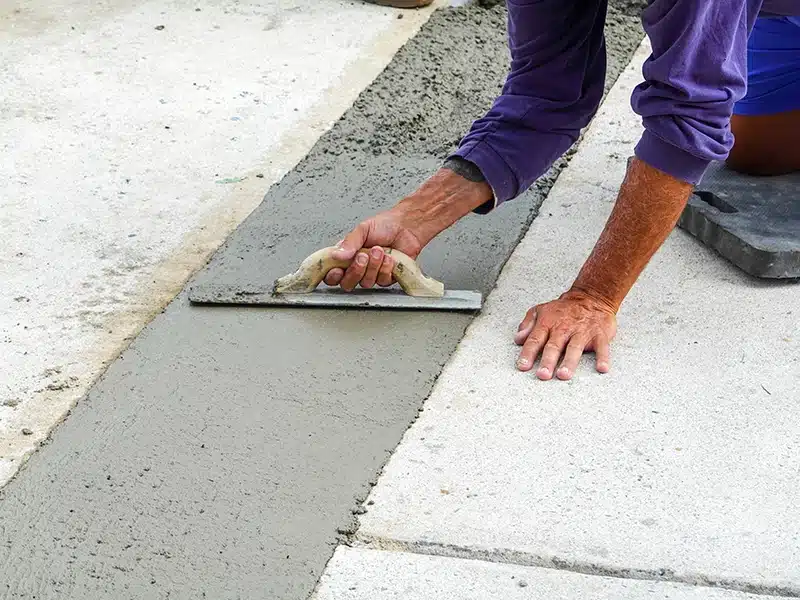
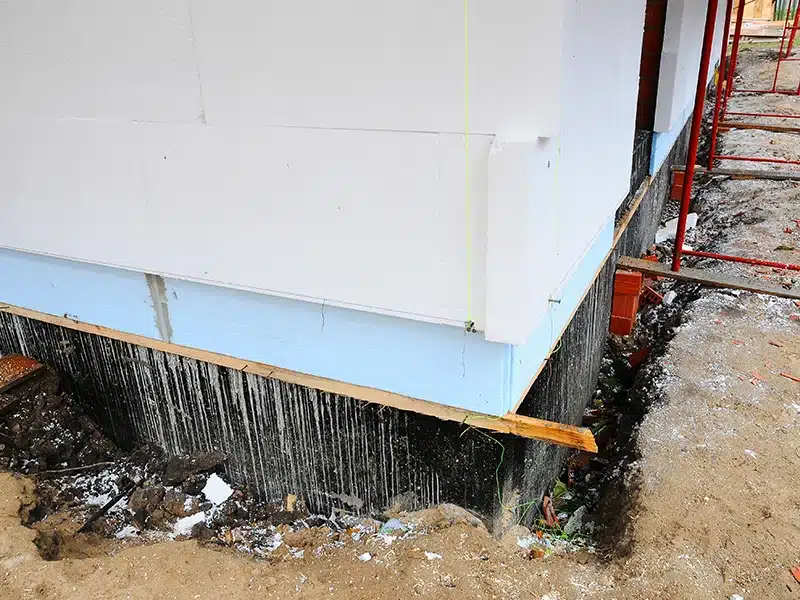
Once work begins, crews may excavate soil around the home or install steel piers beneath the foundation to stabilize the structure.
Depending on the repair type, this stage may involve:
- Exterior digging around the perimeter
- Hydraulic equipment
- Interior access points
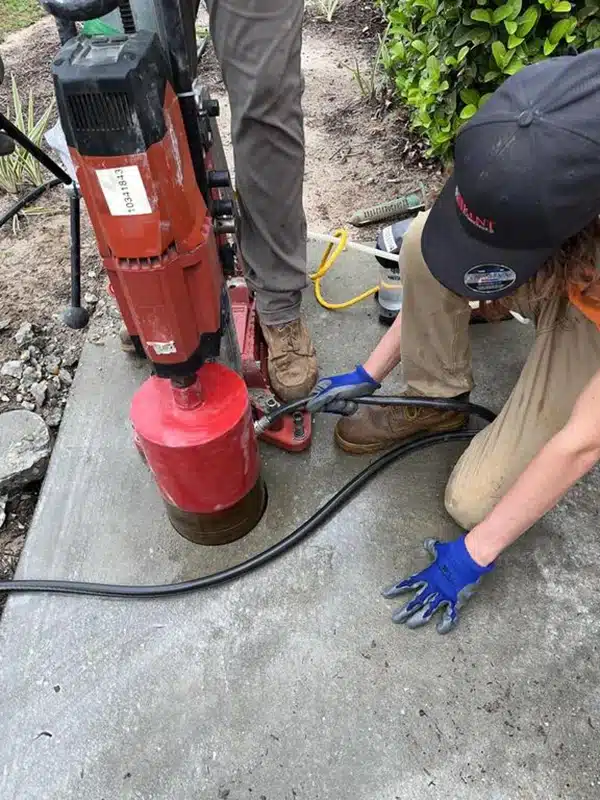
- Concrete removal in certain areas
For many homeowners, this is the most noticeable part of the project because of the noise and vibration. However, most professional foundation repair contractors work carefully to minimize disruption and keep the jobsite clean.
If repairs are limited to the outside of the home, daily life inside may remain mostly unchanged.
Lifting and Stabilizing the Foundation
After the support system is installed, the foundation may be carefully lifted and stabilized.
This step can sometimes cause:
- Minor vibrations
- Temporary sticking doors or windows
- Small cosmetic wall cracks
- Brief plumbing adjustments
While this part sounds intimidating, experienced crews perform these adjustments gradually and monitor the structure closely throughout the process.
Most homes do not become unsafe during lifting. In fact, the goal is to restore structural stability and prevent further damage.
Final Repairs and Cleanup
Once the foundation has been stabilized, crews will complete final adjustments and clean the work area.
This may include:
- Filling excavated areas
- Replacing concrete sections
- Sealing cracks
- Final measurements and inspections
- Cleaning debris from the property
At this stage, homeowners are usually able to return to normal routines quickly if they temporarily relocate during construction.
What Homeowners Often Notice During Repairs
Most people are surprised that foundation repair is more manageable than they expected. While every project is different, homeowners commonly describe the experience as similar to having a large exterior construction project completed at the house.
You may notice:
- Construction noise during daytime hours
- Vibrations from equipment
- Workers accessing parts of the property
- Dust in active work zones
- Temporary limitations around driveways or walkways
A trustworthy contractor will keep you informed throughout the process and let you know if conditions change during the repair.
Signs You May Need to Leave During Foundation Repair
While many foundation repairs allow homeowners to remain in the house, there are situations where temporarily relocating is the safer or more practical choice.
A reputable foundation repair contractor will tell you upfront if your home conditions make occupancy risky during construction. In some cases, leaving the home is only necessary for a day or two. In others, larger structural repairs may require a longer temporary move.
Here are some common signs you may need to stay elsewhere during foundation repair.
Severe Structural Instability
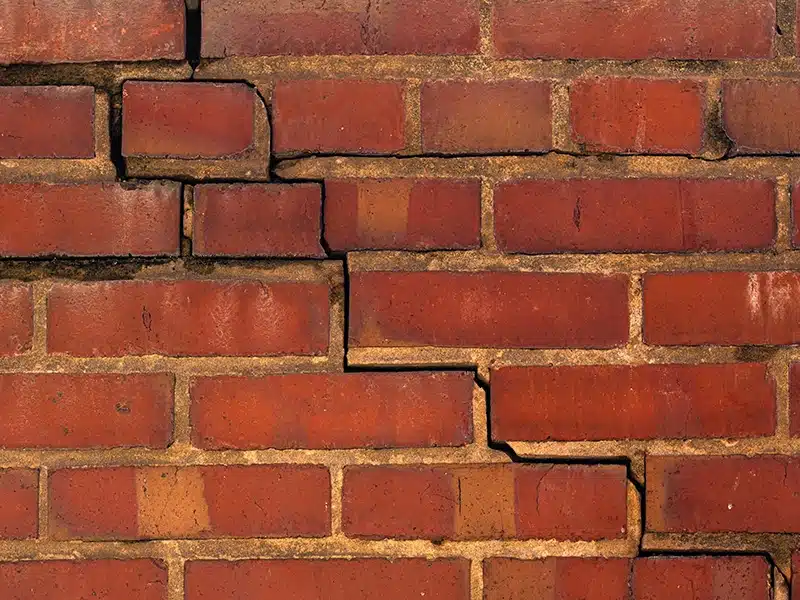
If the foundation has experienced major movement, parts of the home may no longer be structurally stable.
Warning signs can include:
- Large wall cracks
- Bowing walls
- Sagging floors
- Separating ceilings
- Doors and windows that no longer close properly
- Noticeable shifting in the structure
When a home has extensive structural damage, contractors may recommend vacating the property until stabilization is complete.
Utilities Need to Be Temporarily Shut Off
Some foundation repairs affect plumbing, electrical systems, or gas lines. This is especially common with slab foundation repair, where pipes may run beneath the concrete.
Temporary interruptions can include:
- Water shutoffs
- Electrical disruptions
- HVAC limitations
- Gas line adjustments
Even short utility outages can make living in the home difficult, especially for families with young children or elderly residents.
Interior Repairs Are Extensive
Certain repair methods require crews to work directly inside the home for several days.
This can involve:
- Flooring removal
- Interior pier installation
- Jack systems in crawl spaces
- Dust barriers and equipment indoors
In these situations, living in the house during repairs may become uncomfortable, even if it remains technically safe.
Noise, Dust, or Vibration Become Too Disruptive
Foundation repair can be noisy. Hydraulic equipment, drilling, excavation, and structural adjustments all create sound and vibration throughout the home.
For some homeowners, this is manageable. For others, it can quickly become overwhelming.
You may want to temporarily relocate if someone in the household:
- Works from home
- Has respiratory sensitivities
- Suffers from anxiety around construction noise
- Has small children or pets stressed by disruption
- Has mobility limitations
Comfort matters just as much as safety during a major home repair project.
Your Contractor Recommends It
Ultimately, your foundation repair contractor knows the scope of the project best. If they advise leaving the home temporarily, it is important to take that recommendation seriously.
Professional contractors evaluate:
- Structural safety
- Equipment risks
- Utility interruptions
- Access limitations
- Overall living conditions during repairs
A trustworthy contractor will never recommend relocation unless it is genuinely necessary for your safety or comfort.
Temporary Relocation Is Usually Short-Term
The good news is that most foundation repair projects move relatively quickly. Even when homeowners do leave during repairs, the relocation is often temporary.
| Repair Type | Possible Relocation Time |
| Minor repairs | Usually none |
| Exterior pier work | 1–2 days |
| Interior structural work | Several days |
| Major stabilization | Up to 1–2 weeks |
In many cases, the inconvenience of a short temporary move is worth protecting your family and allowing repairs to be completed more efficiently.
How Long Does Foundation Repair Usually Take?
One of the biggest factors in deciding whether to stay in your home during foundation repair is the timeline. Fortunately, most projects move faster than homeowners expect.
The exact schedule depends on the size of the home, the severity of the foundation damage, weather conditions, and the repair method being used.
Some minor repairs can be completed in a single day, while larger structural stabilization projects may take a week or more.
| Repair Type | Typical Timeline |
| Crack sealing or minor repairs | 1–2 days |
| Pier installation | 2–5 days |
| Crawl space foundation repair | Several days |
| Major structural stabilization | 1–2 weeks |
What Can Affect the Timeline?
Several factors influence how long the foundation repair process takes.
Extent of Structural Damage
Homes with severe settlement or widespread structural movement often require additional stabilization work, which can extend the project timeline.
Type of Foundation
Different foundations require different repair approaches:
- Slab foundations may involve concrete cutting
- Crawl space repairs may require additional support systems
- Basement foundations may need waterproofing or wall stabilization
Each situation creates a different repair schedule.
Weather Conditions
Heavy rain or saturated soil can slow excavation and exterior foundation work. Professional contractors monitor weather closely to keep the project safe and efficient.
Interior vs. Exterior Repairs
Exterior foundation repair is often less disruptive and faster to complete. Interior repairs may take longer because crews need access inside the home and may need to remove flooring or work around finished spaces.
Most Repairs Are Completed Faster Than Homeowners Expect
Many people assume foundation repair will drag on for weeks or even months. In reality, experienced foundation repair contractors typically follow a streamlined process designed to minimize disruption and restore stability quickly.
A professional crew will usually provide:
- A projected timeline before work starts
- Daily progress updates
- Information about delays or schedule changes
- Expectations for cleanup and final inspections
Should You Stay Somewhere Else During the Project?
For shorter projects, many homeowners choose to remain in the home the entire time. However, some families decide to stay elsewhere temporarily if:
- The repairs are especially noisy
- Utilities will be interrupted
- Young children or pets are stressed
- Work-from-home schedules are affected
Even when temporary relocation is recommended, it is usually short-term and only necessary during the most active phases of construction.
The key is understanding the timeline ahead of time so you can plan accordingly and avoid unnecessary stress during the repair process.
Choosing the Right Foundation Repair Contractor Matters
Not all foundation repair companies approach projects the same way. The contractor you choose can make a major difference in how safe, organized, and manageable the repair process feels while work is underway.
An experienced contractor will not only repair the structural problem correctly, but also help minimize disruption to your home and daily life.
A Good Contractor Prioritizes Safety First
Before repairs begin, a professional foundation specialist should thoroughly evaluate the condition of your home and explain whether it is safe to remain inside during construction.
They should clearly communicate:
- Potential structural risks
- Utility interruptions
- Areas of restricted access
- Expected noise and vibration
- Realistic project timelines
If temporary relocation is recommended, a trustworthy contractor will explain exactly why and how long it may be necessary.
Experience Matters With Structural Repairs
Foundation repair is not a one-size-fits-all service. Every home has different soil conditions, structural loads, and repair needs.
An experienced contractor understands how to properly diagnose:
- Foundation settlement
- Crawl space issues
- Slab movement
- Moisture-related damage
- Structural instability
They also know how to adjust repair methods to reduce unnecessary disruption during the project.
Communication Makes the Entire Process Easier
One of the biggest frustrations homeowners experience during construction projects is poor communication.
The best foundation repair contractors provide:
- Clear expectations before work starts
- Daily updates during repairs
- Honest timelines
- Fast responses to questions
- Detailed explanations without confusing jargon
Good communication helps homeowners feel confident throughout the repair process instead of stressed or uncertain.
Look for a Contractor With Proven Results
Before hiring a foundation repair company, take time to review:
- Customer reviews
- Before-and-after project photos
- Repair warranties
- Licensing and insurance
- Years of experience
A reputable contractor should have no problem explaining their repair methods and providing examples of similar projects they have completed successfully.
Foundation Problems Rarely Improve on Their Own
Small foundation issues can quickly become larger structural problems when ignored. Cracks grow wider, floors become more uneven, and moisture intrusion can worsen over time.
Addressing the issue early with the help of a qualified foundation repair contractor can help protect:
- Your home’s structure
- Your family’s safety
- Your property value
- Your long-term repair costs
The right contractor will guide you through the process, answer your questions honestly, and help you feel confident every step of the way.
Why Homeowners Trust APEX Foundation Specialists
Foundation repair can feel overwhelming, especially when you are unsure what to expect during the process. That is why working with the right contractor matters.
At Apex Foundation Specialists, we focus on making foundation repair as straightforward and stress-free as possible. Our team takes the time to thoroughly inspect your home, explain the problem clearly, and walk you through every step of the repair process before work begins.
Homeowners choose APEX because we prioritize:
- Honest recommendations
- Clear communication
- Long-term repair solutions
- Respect for your home and property
- Safe, efficient repair methods
Whether your home needs minor stabilization or major structural foundation repair, our experienced team works carefully to minimize disruption while protecting the long-term stability of your home.
If you are dealing with foundation settlement, wall cracks, uneven floors, or crawl space issues, APEX Foundation Specialists can help you understand your options and move forward with confidence.
The Bottom Line on Living in Your Home During Repairs
So, can you live in a house while the foundation is being repaired?
For many homeowners, the answer is yes. Most foundation repair projects allow families to remain in the home safely while work is completed. However, the right decision depends on the severity of the damage, the type of repair being performed, and how disruptive the process will be.
Minor repairs may only create temporary noise and vibration. Larger structural foundation repairs may require short-term relocation for safety or comfort reasons.
The most important step is working with an experienced foundation repair contractor who can properly evaluate your home, explain the repair process clearly, and help you understand what to expect before construction begins.
While foundation repair can feel overwhelming at first, delaying repairs often leads to:
- Larger structural problems
- More expensive damage
- Increased moisture intrusion
- Reduced property value
Taking action early helps protect your home and restore long-term stability.
If you’ve noticed foundation cracks, uneven floors, sticking doors, or other signs of structural movement, the best next step is scheduling a professional inspection. An expert can determine the cause of the problem and recommend the safest, most effective repair solution for your home.
FAQ: Living in a House During Foundation Repair
Is foundation repair dangerous?
Foundation repair is generally safe when performed by experienced professionals. However, severe structural damage or unstable conditions may require temporary relocation during repairs.
How disruptive is foundation repair?
Most homeowners experience temporary noise, vibration, dust, and limited access to certain areas of the home. Many compare it to a large remodeling or landscaping project.
Can I sleep in my house during foundation repair?
In many cases, yes. Most foundation repairs allow homeowners to remain in the home overnight unless major structural work or utility interruptions make it unsafe or impractical.
Will foundation repair crack my walls?
Minor cosmetic cracks or nail pops can sometimes appear during foundation lifting and stabilization. These changes are usually cosmetic and may already exist due to settlement.
Do utilities get shut off during foundation repair?
Sometimes. Certain repairs, especially slab foundation repairs, may require temporary plumbing, electrical, or gas interruptions depending on the work being performed.
How do I prepare my home for foundation repair?
Before repairs begin:
- Remove fragile items from walls and shelves
- Clear access areas for crews
- Protect valuables
- Plan for pets and children
- Ask your contractor about safety precautions and daily expectations
Preparation helps make the foundation repair process smoother and less stressful for everyone involved.
Foundation Problems? We Have Solutions
Left untreated, a damaged foundation can lead to much bigger problems that will inevitably cost you. Instead of waiting to see what happens, call Apex Foundation Specialists today.