
What Causes Uneven Floors in a House? (And When to Worry)
Jul 20, 2026
Noticing uneven floors in your home can be unsettling. Maybe your floor slopes slightly, feels bouncy underfoot, or you’ve spotted gaps along the baseboards. While some floor changes are normal as a house ages, others can point to deeper structural issues that should not be ignored.
Uneven floors often develop slowly, which makes them easy to overlook at first. But over time, they can signal problems like foundation settlement, moisture damage, or weakening support systems beneath your home. In this guide, we’ll break down the most common causes of uneven floors, how to tell when it’s serious, and what you can do to fix it before the problem gets worse.
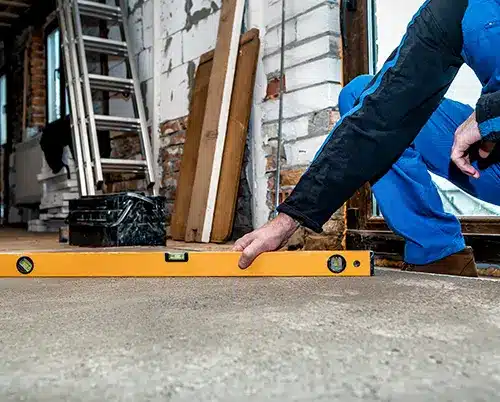
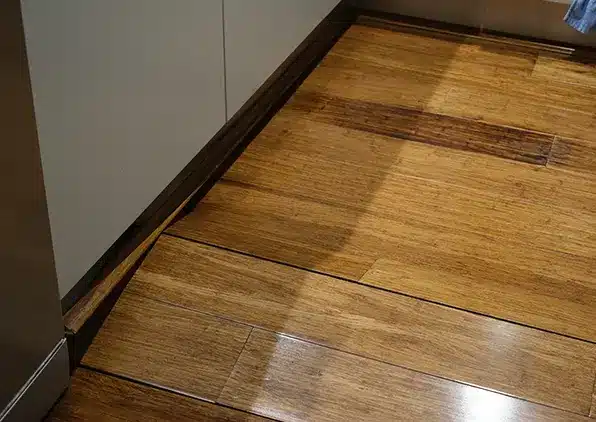
Common Signs of Uneven Floors
Uneven floors are not always obvious at first. In many homes, the changes happen gradually over time. Knowing what to look for can help you catch the problem early before it turns into a costly repair.
Here are some of the most common signs of uneven floors in a house:
- Sloping or dipping floors – You may notice one side of a room feels lower than the other
- Gaps between floors and baseboards – Separation can indicate movement below
- Doors that stick or won’t close properly – Shifting floors can throw off door frames
- Cracks in walls or ceilings – Often appear alongside structural movement
- Bouncy or soft spots – Floors may feel weak due to damaged support underneath
If you’re seeing one or more of these signs, it’s worth taking a closer look. Small changes can be normal, but multiple symptoms together often point to an underlying issue that needs attention.
What Causes Uneven Floors in Homes?
Uneven floors can happen for several reasons, but most of them come down to problems below the surface. Your home relies on a stable foundation and strong structural supports. When something affects those systems, your floors are often one of the first places it shows.
Here are the most common causes of uneven floors in a house:
Foundation Settlement
Foundation settlement is one of the leading causes of uneven floors. Over time, the soil beneath your home can shift, compress, or wash away. When this happens, parts of the foundation sink unevenly, causing floors above to slope or dip.
This type of issue usually gets worse over time if it is not addressed.
Crawl Space Issues
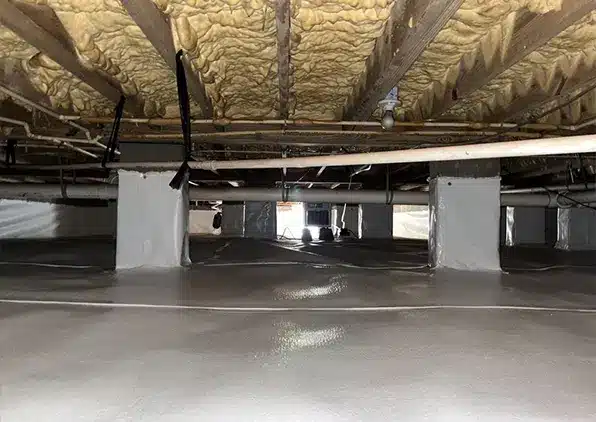
If your home has a crawl space, problems below the floor can directly impact what you feel above. Moisture buildup, wood rot, or weakened floor joists can cause floors to sag or feel soft.
Common crawl space-related causes include:
- High humidity or standing water
- Rotting or damaged wood supports
- Failing support beams or joists
Poor Soil Conditions
The type and condition of the soil under your home play a major role in stability. Some soils expand and contract with moisture changes, while others may not have been properly compacted during construction.
This can lead to uneven support and gradual floor movement over time.
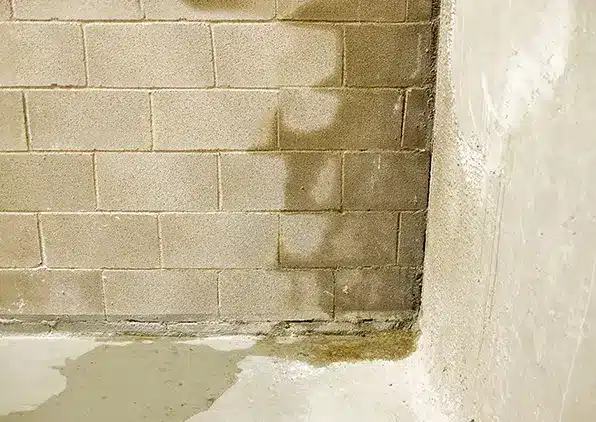
Water Damage
Water is one of the biggest threats to your home’s structure. Leaks, poor drainage, or flooding can weaken both the soil and the materials that support your floors.
Over time, water damage can lead to:
- Soft or sagging floors
- Wood rot in structural components
- Increased movement in the foundation
Structural Wear and Age
Not all uneven floors are caused by major damage. In older homes, some level of settling is normal. Materials can shift, shrink, or wear down over time.
However, it’s important to know the difference between normal settling and a structural problem. If the unevenness is getting worse or causing other issues, it’s time to have it inspected.
Quick Comparison: Causes of Uneven Floors
Understanding the cause of uneven floors can help you determine how serious the issue might be. Here’s a simple breakdown of the most common causes and what they mean for your home:
| Cause | What Happens | Risk Level |
| Foundation settlement | Home sinks unevenly | High |
| Crawl space damage | Joists weaken or sag | High |
| Moisture issues | Wood rot and soft spots | Medium–High |
| Normal settling | Minor, gradual shifts | Low |
This quick comparison makes it easier to spot whether your uneven floors are likely a minor concern or something that needs professional attention.
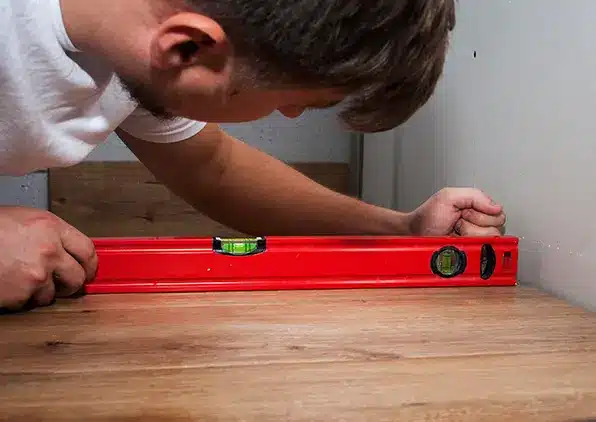
When Are Uneven Floors a Serious Problem?
Not all uneven floors mean you have a major structural issue. In some cases, small changes are part of a home’s natural aging process. But there are clear signs that point to a more serious problem that should not be ignored.
Here’s when uneven floors may require immediate attention:
- The slope is getting worse over time – Ongoing movement often signals foundation settlement
- You notice large dips or visible sagging – Significant changes usually mean structural support is failing
- Cracks are forming in walls or ceilings – These often appear alongside foundation issues
- Doors and windows stop working properly – Frames can shift as the structure moves
- Floors feel soft, bouncy, or unsafe – This may indicate damage to joists or supports underneath
If you’re seeing more than one of these signs, it’s a good idea to have your home professionally evaluated. Waiting too long can allow the problem to worsen, leading to more extensive and costly repairs.
How to Fix Uneven Floors
Fixing uneven floors starts with understanding what is causing the problem. The right solution depends on whether the issue comes from the foundation, crawl space, or moisture damage.
Here are the most common ways professionals fix uneven floors:
- Foundation Repair
If foundation settlement is the cause, contractors may install piers or supports beneath the home to lift and stabilize the structure. This helps restore the floor to a more level position and prevents further movement. - Crawl Space Repair
In homes with crawl spaces, fixing uneven floors often involves reinforcing the support system. This can include installing adjustable support jacks, replacing damaged joists, or strengthening beams. - Moisture Control Solutions
If water is part of the problem, addressing moisture is critical. This may involve improving drainage, sealing the crawl space, or installing vapor barriers to prevent further damage. - Structural Reinforcement
In some cases, additional support may be added to stabilize weak areas and prevent future sagging.
The key is to fix the root cause, not just the surface issue. Simply replacing flooring will not solve the problem if the structure underneath is still compromised.

Why Homeowners Choose APEX for Foundation Repair
When you’re dealing with uneven floors, the real concern is what’s happening underneath your home. That’s why choosing the right contractor matters just as much as fixing the problem itself.
Homeowners trust APEX because we focus on accurate diagnosis and long-term solutions, not quick fixes.
Here’s what sets APEX apart:
- Thorough Inspections: We identify the true cause of uneven floors, whether it’s foundation settlement, crawl space damage, or moisture issues
- Customized Repair Plans: Every home is different. We design solutions based on your specific problem, not a one-size-fits-all approach
- Experienced Foundation Specialists: Our team has the knowledge and tools to handle both simple and complex structural issues
- Solutions That Last: We address the root cause so your floors stay stable over time
- Clear Communication: You’ll understand what’s happening, why it matters, and how we fix it
If you’ve noticed uneven or sagging floors, getting a professional evaluation can save you time, money, and stress down the road.
Protect Your Home Before the Problem Gets Worse
Uneven floors might seem like a small issue at first, but they often point to bigger problems developing beneath your home. What starts as a slight slope or soft spot can turn into serious structural damage if it’s left unchecked.
The sooner you identify the cause, the easier and more affordable it is to fix. Addressing foundation or crawl space issues early can prevent further movement, protect your home’s value, and give you peace of mind.
If you’ve noticed signs of uneven floors, it’s worth having a professional take a closer look. A proper inspection can help you understand what’s going on and what steps to take next before the problem gets worse.

Frequently Asked Questions About Uneven Floors
What is the main cause of uneven floors in a house?
The most common cause of uneven floors is foundation settlement. This happens when the soil beneath your home shifts or compresses, causing parts of the structure to sink unevenly.
Are uneven floors dangerous?
They can be. Minor unevenness is not always a safety issue, but significant slopes, soft spots, or structural damage can create tripping hazards and signal deeper problems with your home’s foundation.
Can uneven floors be fixed without replacing the floor?
Yes. In most cases, the issue can be fixed by repairing the foundation or reinforcing the structure underneath. Replacing the flooring alone will not solve the problem if the cause is still there.
How much does it cost to fix uneven floors?
The cost depends on the cause and severity of the issue. Minor repairs may be more affordable, while foundation repairs or crawl space work can vary based on the extent of the damage.
Should I worry about sloping floors in an older home?
Some minor settling is normal in older homes. However, if the slope is getting worse or you notice other signs like cracks or sticking doors, it’s best to have it inspected.
Foundation Problems? We Have Solutions
Left untreated, a damaged foundation can lead to much bigger problems that will inevitably cost you. Instead of waiting to see what happens, call Apex Foundation Specialists today.