
Signs of Poor Crawl Space Ventilation: What Homeowners Should Watch For
Sep 01, 2026
Your crawl space plays a bigger role in your home's health than most people realize. When it isn't properly protected from moisture, problems like mold, wood rot, pests, and even foundation damage can develop over time.
Many older homes were built with vented crawl spaces, based on the idea that outside air would keep the space dry. Today, building science has shown that in many climates, especially humid ones, those vents can actually allow more moisture into the crawl space instead of removing it.
The good news is that your home will often give you warning signs before serious damage occurs. Knowing what to look for can help you address crawl space ventilation problems early and avoid more expensive repairs later.
In this guide, we'll explain the most common signs of poor crawl space ventilation, what causes them, and when solutions like crawl space encapsulation may provide better long-term protection for your home.

Key Takeaways
- Poor crawl space ventilation can trap moisture beneath your home, creating the ideal environment for mold, wood rot, and pests.
- Many crawl space ventilation problems start small but can lead to costly structural repairs if left untreated.
- Warning signs include musty odors, high humidity, sagging floors, damaged insulation, and condensation.
- While minor maintenance can improve airflow, persistent moisture problems often require more than additional ventilation.
- A professional crawl space inspection can determine whether repairs, drainage improvements, or crawl space encapsulation are the best long-term solution.
Why Crawl Space Ventilation Matters
Your crawl space may be out of sight, but it has a direct impact on the health of your home. It supports your flooring system, houses plumbing and HVAC components, and affects the air you breathe indoors. When moisture builds up in this space, it can quickly lead to problems that spread throughout the rest of your home.
For many years, building codes recommended vented crawl spaces. The idea was simple: allow outside air to flow through the crawl space to remove excess moisture. While that approach can work in some dry climates, it often has the opposite effect in areas with high humidity. Warm, damp outdoor air enters through the vents, cools beneath the home, and creates condensation on wood, pipes, and other surfaces.
Over time, that extra moisture can contribute to:
- Mold and mildew growth
- Wood rot in floor joists and support beams
- Damaged or falling insulation
- Higher indoor humidity
- Pest activity
- Foundation and structural issues

That's why many homeowners experiencing crawl space ventilation problems eventually choose a sealed crawl space with a vapor barrier and moisture control system. Rather than allowing humid outdoor air inside, encapsulation helps create a clean, dry, and controlled environment beneath your home.
The key is identifying moisture problems early. The sooner you recognize the signs of poor crawl space ventilation, the easier it is to prevent more extensive damage and protect your home's structure for years to come.
What Causes Poor Crawl Space Ventilation?
Poor crawl space ventilation isn't always caused by blocked vents. In many cases, it's the result of moisture entering the crawl space faster than it can dry out. Even if your crawl space has open vents, humid air, drainage issues, or water intrusion can still create the perfect conditions for mold, wood rot, and other moisture-related problems.
Here are some of the most common causes of crawl space ventilation issues.
Blocked or Damaged Crawl Space Vents
Over time, crawl space vents can become blocked by dirt, leaves, landscaping, or even animal nests. Damaged vents may also restrict airflow or allow pests to enter the crawl space. When air can't move as intended, moisture can become trapped beneath your home.
High Outdoor Humidity
In humid climates, outside air often contains a large amount of moisture. When that warm, humid air enters a cooler crawl space, it can condense on wood framing, ductwork, plumbing, and other surfaces. Instead of drying the crawl space, the vents may actually increase moisture levels.
Poor Drainage Around the Home
Improper grading, clogged gutters, or short downspouts can direct rainwater toward your foundation. As water collects around the home, it can seep into the crawl space and create ongoing moisture problems that ventilation alone cannot solve.
Standing Water or Plumbing Leaks
Even a small plumbing leak or occasional pooling water can keep humidity levels high inside the crawl space. Standing water creates ideal conditions for mold growth, attracts pests, and increases the risk of wood decay if left untreated.
Insufficient Air Movement
Some crawl spaces have limited airflow because of their size, layout, or the location of existing vents. In these cases, moisture may remain trapped in certain areas, allowing problems to develop even when the vents themselves are open.
Common Causes of Crawl Space Ventilation Problems
| Cause | What Happens | Possible Result |
| Blocked or damaged vents | Reduced airflow | Moisture buildup |
| High outdoor humidity | Condensation forms | Mold and mildew |
| Poor exterior drainage | Water enters crawl space | Wood rot and foundation concerns |
| Standing water or leaks | Constant moisture | Structural damage and pests |
Understanding what's causing the problem is the first step toward finding the right solution.
Quick Reference: Signs of Poor Crawl Space Ventilation
| What You Notice | What It Could Mean | Recommended Action |
| Musty odors | Excess moisture or mold | Schedule an inspection |
| Sagging floors | Moisture damage to wood framing | Evaluate structural supports |
| Wet insulation | High humidity or water intrusion | Identify and stop the moisture source |
| Condensation on pipes | Excess humidity | Consider moisture control or encapsulation |
10 Signs of Poor Crawl Space Ventilation
Many crawl space ventilation problems develop slowly. At first, you might notice a musty smell or a little extra humidity inside your home. Over time, those small warning signs can turn into mold growth, structural damage, and costly repairs.
Here are ten of the most common signs that your crawl space may not be managing moisture properly.
1. Musty Odors Inside Your Home
One of the earliest signs of poor crawl space ventilation is a persistent musty smell. As moisture builds up beneath your home, mold and mildew begin to grow, creating odors that can travel upward through your floors and into your living space.
If the smell becomes stronger after rain or during humid weather, your crawl space may be trapping excess moisture.
2. Visible Mold Growth
Mold thrives in dark, damp environments, making an unprotected crawl space an ideal place for it to spread. You may notice mold on wood framing, floor joists, insulation, or other surfaces.
Besides damaging building materials, mold can also affect your home's indoor air quality and should be addressed as soon as possible.
3. High Humidity Indoors
Does your home feel damp even when the air conditioner is running? Excess moisture from the crawl space can make its way into the rest of the house, increasing indoor humidity.
Signs of high humidity include:
- Condensation on windows
- A sticky or damp feeling indoors
- Rooms that are difficult to cool
- Increased use of your HVAC system
4. Wood Rot in Floor Joists and Beams
Wood exposed to constant moisture will eventually begin to deteriorate. Over time, this can weaken floor joists, support beams, and other structural components beneath your home.
The longer moisture remains untreated, the greater the risk of expensive structural repairs.
5. Sagging or Uneven Floors
As wooden supports absorb moisture and begin to weaken, the floors above them may start to sag, bounce, or become uneven.
While several issues can cause uneven floors, crawl space moisture is a common contributor that should not be overlooked.
6. Condensation on Pipes or Ductwork
If you see water droplets forming on plumbing pipes or HVAC ductwork inside the crawl space, it's often a sign that humidity levels are too high.
This condensation can lead to rust, insulation damage, and additional moisture buildup throughout the crawl space.
7. Damaged or Falling Insulation
Crawl space insulation isn't designed to stay wet. As it absorbs moisture, it can sag, fall away from the floor system, or lose much of its insulating value.
Wet insulation can also become a breeding ground for mold and reduce your home's overall energy efficiency.
8. Increased Pest Activity
Many pests are attracted to damp crawl spaces. Termites, rodents, insects, and other unwanted visitors often seek out areas with excess moisture because they provide an ideal environment for nesting.
If you're noticing more pests around your home, your crawl space could be part of the problem.
9. Higher Energy Bills
A damp crawl space can make your HVAC system work harder to keep your home comfortable. Moisture affects insulation performance and can increase indoor humidity, making it more difficult to maintain consistent temperatures.
If your utility bills have increased without an obvious explanation, your crawl space may be contributing to the problem.
10. Foundation or Structural Movement
In severe cases, ongoing moisture problems can contribute to shifting supports, settling, or other structural concerns. Water can weaken wooden framing, while excessive moisture in the soil around the foundation may affect the stability of your home over time.
If you notice cracks in walls, sticking doors or windows, or uneven floors along with crawl space moisture, it's a good idea to have your home inspected by a professional.
Can You Fix Poor Crawl Space Ventilation Yourself?
Some crawl space ventilation problems have simple solutions, while others require professional repairs. Knowing the difference can help you avoid wasting time on temporary fixes when a more comprehensive solution is needed.
If the problem is caught early, there are a few maintenance tasks homeowners can safely handle.
What You Can Do Yourself
Routine maintenance can improve crawl space conditions and help prevent moisture from becoming a bigger issue.
You can:
- Remove leaves, debris, or other obstructions from crawl space vents.
- Clean gutters regularly to prevent water from overflowing near the foundation.
- Extend downspouts so rainwater drains away from your home.
- Make sure the ground around your home slopes away from the foundation.
- Periodically inspect your crawl space for standing water, damaged insulation, or signs of pests.
These simple steps can reduce moisture buildup, but they won't solve every ventilation problem.
When It's Time to Call a Professional
If moisture keeps returning or you've noticed signs of damage, it's time for a professional crawl space inspection. Persistent humidity is often a symptom of a larger issue that requires more than improving airflow.
Consider scheduling an inspection if you notice:
- Mold or mildew growth
- Standing water in the crawl space
- Soft, rotting, or damaged wood
- Sagging or uneven floors
- Strong musty odors that don't go away
- Condensation on pipes or ductwork
- Frequent pest activity
- Cracks or other signs of foundation movement
A professional can identify the source of the moisture and recommend the most effective solution. Depending on your home's condition, that may include drainage improvements, structural repairs, crawl space waterproofing, or crawl space encapsulation.
Addressing the problem early can help prevent more costly repairs and protect your home's structure, indoor air quality, and long-term value.
When Crawl Space Encapsulation Is a Better Solution
If your crawl space continues to have moisture problems despite improving drainage or clearing vents, it may be time to consider a different approach. In many homes, especially those in humid climates, simply increasing airflow isn't enough to keep the crawl space dry.
That's where crawl space encapsulation comes in.
Instead of relying on outside air to manage moisture, encapsulation seals the crawl space and creates a controlled environment. A heavy-duty vapor barrier is installed over the floor and walls, vents are sealed, and a dehumidifier may be added to help maintain healthy humidity levels year-round.
How Encapsulation Compares to Traditional Ventilation
| Traditional Venting | Crawl Space Encapsulation |
| Outside air enters | Crawl space is sealed |
| Humidity can increase | Moisture is controlled |
| Weather affects performance | Consistent year-round protection |
| Greater risk of mold and wood rot | Helps reduce moisture-related damage |
Encapsulation offers several long-term benefits beyond moisture control, including:
- Helps prevent mold and mildew growth
- Protects floor joists and other structural wood from moisture damage
- Reduces musty odors that can spread into your home
- Improves indoor air quality by limiting moisture and airborne contaminants
- Helps insulation perform more effectively
- Can improve energy efficiency by reducing humidity beneath the home
- Creates a cleaner crawl space that's easier to inspect and maintain
While every home is different, encapsulation is often the most effective long-term solution for recurring crawl space moisture problems. A professional inspection can determine whether your home would benefit from encapsulation alone or if repairs, drainage improvements, or waterproofing should be completed first.

Why Homeowners Choose APEX for Crawl Space Repair and Encapsulation
Moisture problems beneath your home rarely improve on their own. At APEX, we take the time to identify what's causing the issue before recommending a solution. Whether you need crawl space repairs, moisture control, or a complete crawl space encapsulation system, our team focuses on long-term protection—not temporary fixes.
Homeowners trust APEX because we provide:
- Thorough crawl space inspections
- Honest recommendations based on your home's condition
- Professional crawl space repair and encapsulation solutions
- Foundation repair expertise when structural issues are present
- High-quality materials designed for long-lasting performance
- Friendly service and clear communication from start to finish
Our goal is simple: help you create a cleaner, drier, and healthier crawl space that protects your home for years to come.
If you've noticed signs of poor crawl space ventilation, don't wait for moisture damage to get worse. Contact APEX today to schedule a professional crawl space inspection and find the right solution for your home.
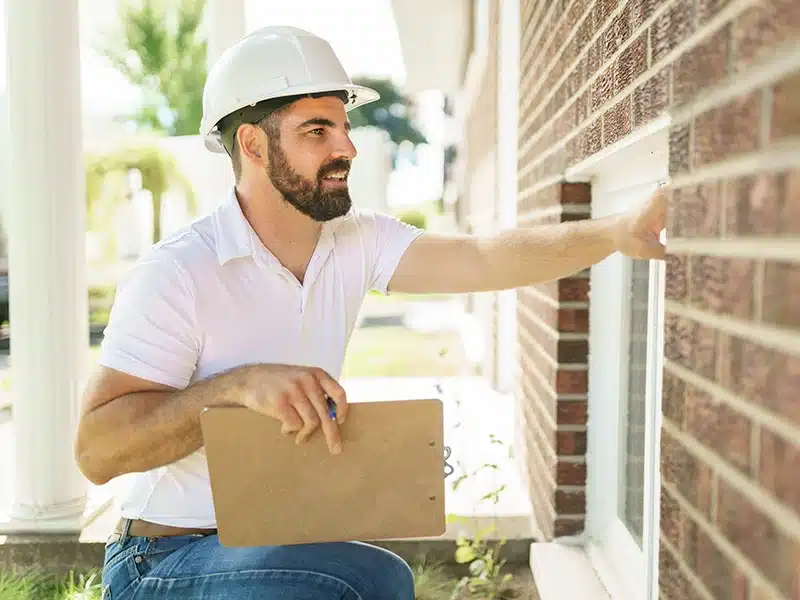
Protect Your Home Before Moisture Causes Bigger Problems
Poor crawl space ventilation isn't just a nuisance—it can affect your home's structure, indoor air quality, energy efficiency, and overall comfort. The longer excess moisture is allowed to build up, the more likely it is to lead to mold growth, wood rot, pest infestations, and expensive foundation repairs.
The good news is that these problems often begin with small warning signs. A musty smell, damp insulation, or higher humidity may not seem like major concerns today, but addressing them early can help you avoid much larger repairs down the road.
Whether your crawl space needs improved drainage, structural repairs, or a complete encapsulation system, identifying the source of the moisture is the first step toward protecting your home.
At APEX, our team can inspect your crawl space, explain what's causing the problem, and recommend the right long-term solution for your home. If you've noticed any of the signs covered in this guide, schedule a professional crawl space inspection today and take the first step toward a healthier, drier home.
Signs of Poor Crawl Space Ventilation FAQs
How can I tell if my crawl space has poor ventilation?
Common signs include musty odors, mold growth, high indoor humidity, condensation on pipes, damaged insulation, wood rot, sagging floors, increased pest activity, and standing water. A professional inspection can determine whether ventilation, drainage, or another moisture issue is causing the problem.
Can poor crawl space ventilation cause mold?
Yes. Excess moisture creates the ideal environment for mold and mildew to grow on wood, insulation, and other building materials. Left untreated, mold can spread and negatively affect your home's indoor air quality.
Should crawl space vents stay open year-round?
It depends on your home's design and local climate. In many humid regions, open vents can allow warm, moist air into the crawl space, increasing humidity and condensation. A crawl space professional can recommend the best approach based on your home's specific conditions.
Is crawl space encapsulation better than traditional ventilation?
For many homes with ongoing moisture problems, crawl space encapsulation provides better long-term protection than traditional venting. By sealing the crawl space and controlling humidity, encapsulation helps reduce the risk of mold, wood rot, pest activity, and moisture-related damage.
Can poor crawl space ventilation damage my foundation?
Poor ventilation itself doesn't directly damage a foundation, but the excess moisture it creates can contribute to wood rot, weakened structural supports, and changing soil conditions around the home. Over time, these issues may increase the risk of foundation movement or other structural problems.
How often should a crawl space be inspected?
Most homeowners should have their crawl space inspected at least once a year, or sooner if they notice musty odors, moisture, standing water, uneven floors, or signs of mold. Regular inspections can catch small issues before they become costly repairs.
Foundation Problems? We Have Solutions
Left untreated, a damaged foundation can lead to much bigger problems that will inevitably cost you. Instead of waiting to see what happens, call Apex Foundation Specialists today.