
How to Check for Structural Damage in Your Home
Jun 23, 2026
Structural damage can start small, but the longer it goes unnoticed, the more serious and expensive the problem can become. Small cracks, uneven floors, or sticking doors may seem harmless at first, but they can point to larger issues affecting your home’s stability and safety.
Knowing how to check for structural damage gives homeowners the opportunity to catch problems early and avoid costly repairs down the road. While some warning signs are easy to spot, others can develop slowly over time and become more severe without professional attention.
In this guide, we’ll explain the most common signs of structural damage, what causes them, and how to inspect your home for potential issues. Whether you’re noticing changes in your foundation, walls, floors, or crawl space, understanding what to look for can help you protect your home and your investment.
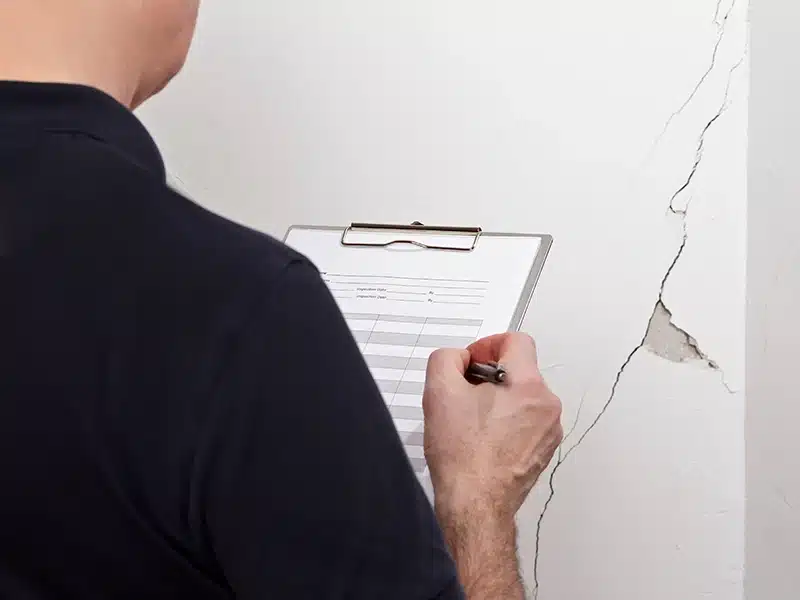
What Is Structural Damage?
Structural damage refers to problems that affect the parts of your home responsible for supporting weight and maintaining stability. This can include your foundation, load-bearing walls, support beams, floor systems, and crawl space supports.
Not every crack or minor imperfection means your home has serious structural issues. Houses naturally settle over time, and some cosmetic wear is normal. The key is knowing the difference between harmless surface issues and warning signs that may indicate foundation structural damage or movement within the home.
Structural problems often develop gradually. Moisture intrusion, shifting soil, poor drainage, or foundation settlement can slowly weaken parts of the structure until visible symptoms begin to appear.
Here’s a quick way to compare cosmetic issues versus potential structural concerns:
| Cosmetic Issue | Possible Structural Issue |
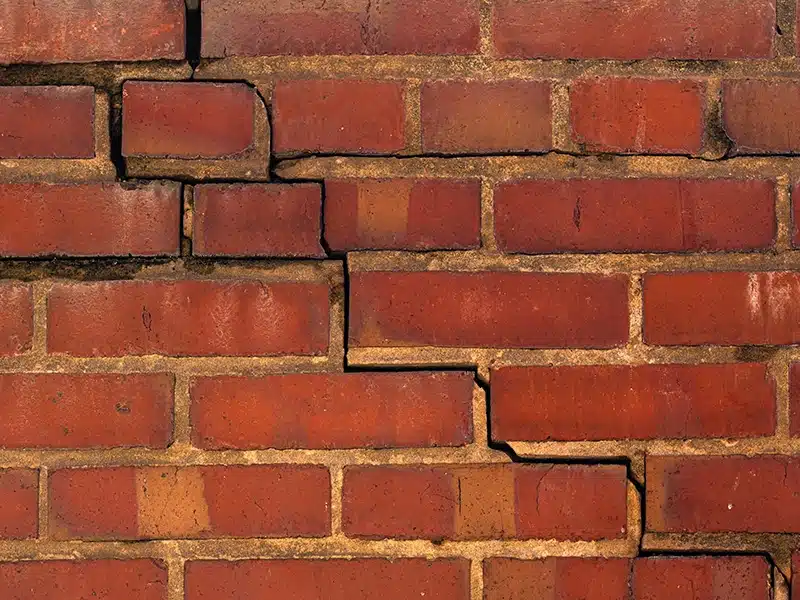
| Small paint cracks | Stair-step wall cracks |
| Minor drywall seams | Bowing or leaning walls |
| Occasional squeaky floors | Uneven or sagging floors |
| Slight door sticking | Multiple doors/windows misaligned |
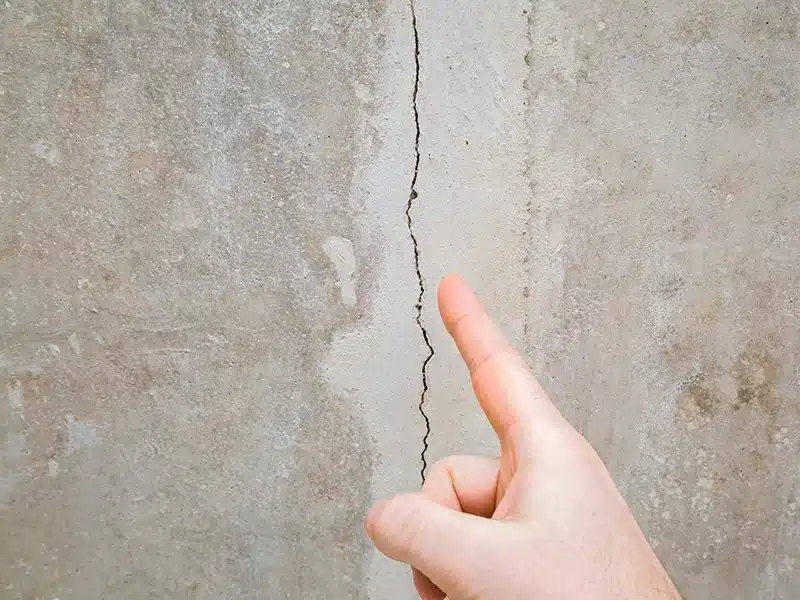
Homeowners should pay close attention when problems begin appearing in multiple areas of the house at the same time. For example, cracks in walls combined with sloping floors and sticking windows may point to underlying structural movement rather than simple aging.
Some of the most common areas where structural damage appears include:
- Basement walls
- Crawl spaces
- Foundation slabs
- Interior drywall
- Exterior brickwork
- Floor systems
- Ceiling joints around load-bearing areas
Understanding these early warning signs can help you identify structural issues before they become larger repair projects.
Common Signs of Structural Damage in a House
Structural damage can show up in many different ways throughout a home. Some warning signs are obvious, while others develop slowly over time. Learning how to recognize these problems early can help homeowners prevent more serious structural damage repair needs later on.
Cracks in Walls, Ceilings, or Floors
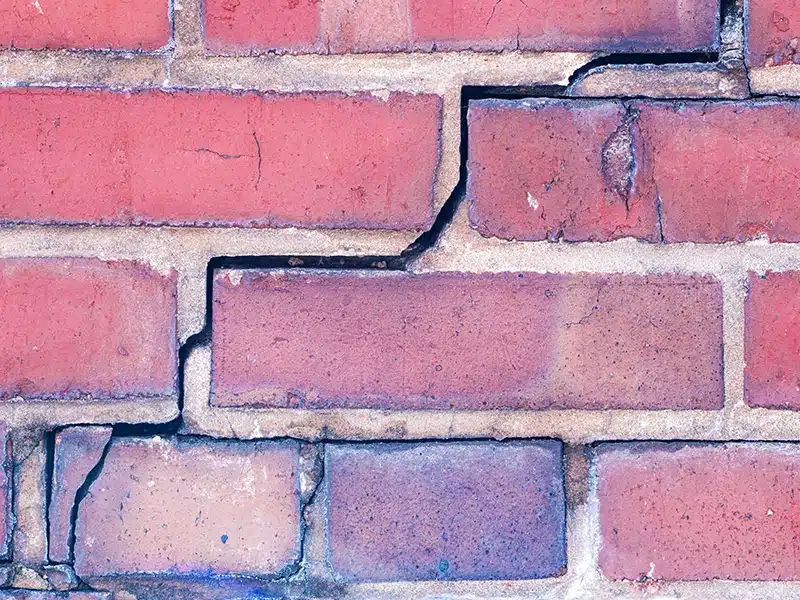
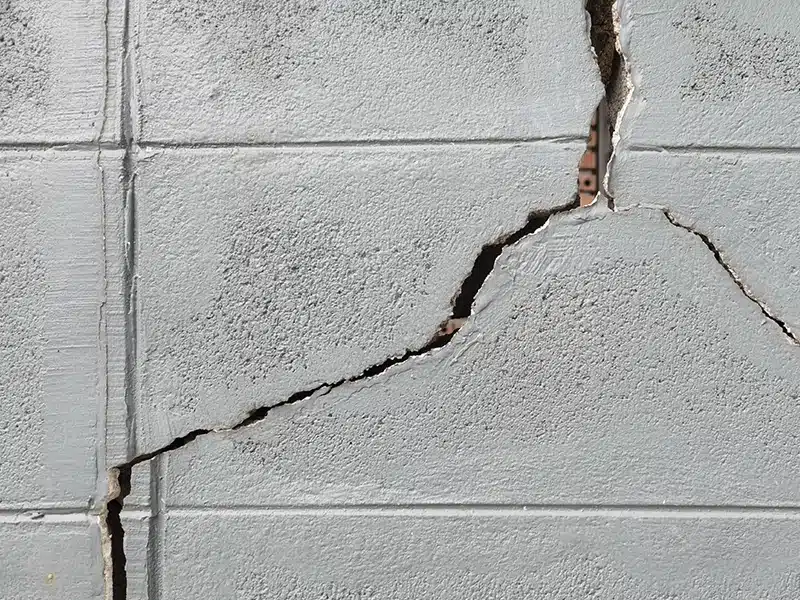
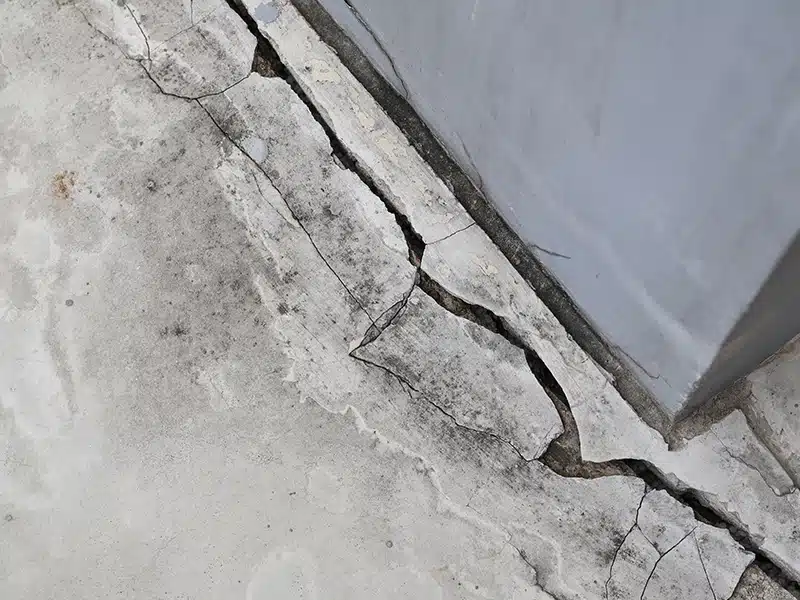
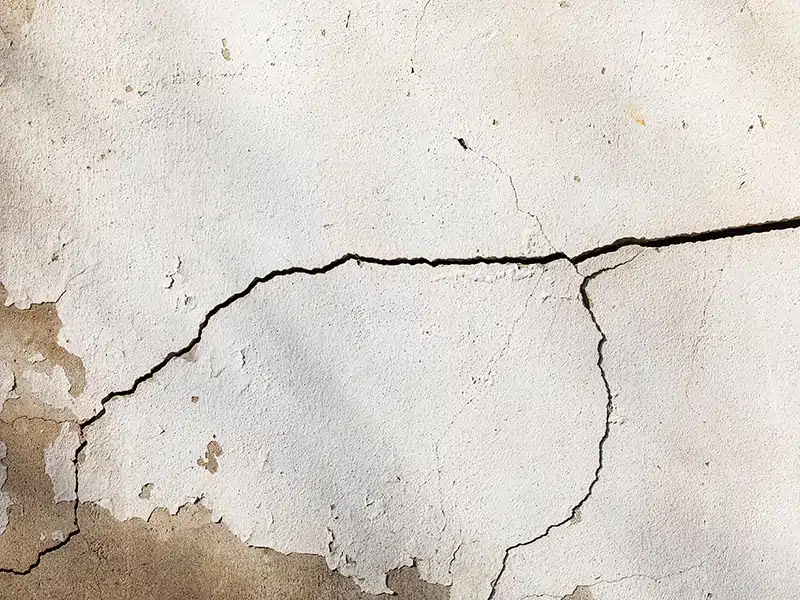
Cracks are one of the most common signs of structural damage in a house. While small hairline cracks can happen naturally as a home settles, larger or expanding cracks may indicate foundation movement or shifting structural supports.
What to Watch For:
- Stair-step cracks in brick or block walls
- Horizontal cracks in basement walls
- Cracks wider than 1/4 inch
- Ceiling cracks that continue to grow
- Floor cracks that become uneven
Pay close attention to cracks that reappear after repairs or continue spreading over time.
Doors and Windows That Stick
When parts of a home shift unevenly, door and window frames can become misaligned. This often causes them to stick, jam, or fail to close properly.
Common Signs Include:
- Doors rubbing against frames
- Windows difficult to open or lock
- Gaps around door frames
- Doors swinging open by themselves
If several doors and windows throughout the home suddenly begin sticking at the same time, it could point to structural movement rather than humidity or seasonal expansion.
Uneven or Sagging Floors
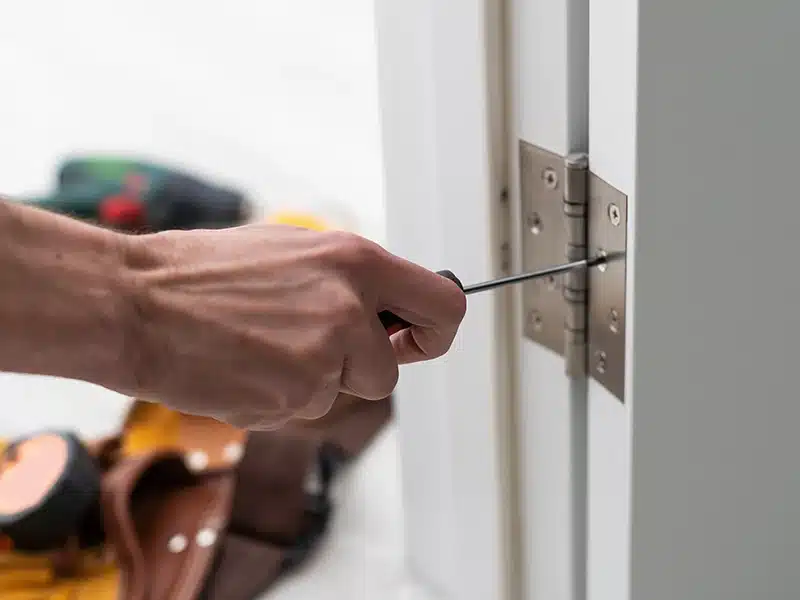
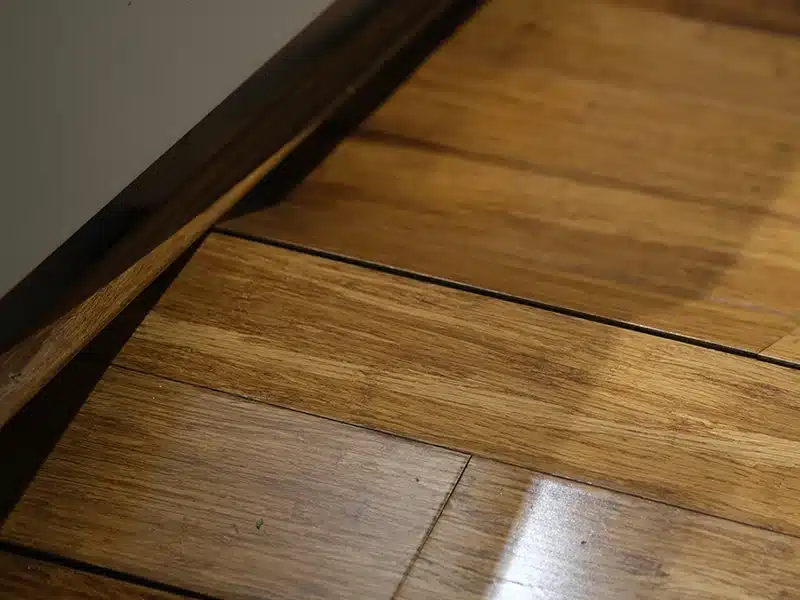
Floors should feel level and stable when you walk across them. Sagging or sloping floors may indicate problems with foundation settlement, weakened floor joists, or crawl space deterioration.
Warning Signs:
- Floors that feel bouncy or soft
- Noticeable sloping when walking
- Gaps between floors and baseboards
- Furniture leaning slightly
- Cracks forming near floor corners
Crawl space moisture problems are a common cause of sagging floors because excess humidity can weaken wood supports over time.
Gaps Around Walls or Trim
As a home shifts, small separations can begin appearing around trim, cabinets, walls, or ceilings. These gaps may seem minor initially, but they often signal movement within the structure.
Look For:
- Separation between walls and ceilings
- Gaps around crown molding
- Spaces forming near cabinets or countertops
- Baseboards pulling away from walls
These issues can become more noticeable as structural settlement worsens.
Bowing Basement or Crawl Space Walls
Bowing walls are one of the more serious warning signs of foundation problems. Pressure from expanding soil and moisture buildup can force basement or crawl space walls inward over time.
Serious Red Flags:
- Horizontal wall cracks
- Walls curving inward
- Water seepage through foundation walls
- Leaning or bulging sections
This type of structural damage should be inspected by a professional as soon as possible to avoid further instability.
Exterior Brick or Foundation Cracks
The outside of your home can reveal important clues about structural movement. Cracks in exterior brick, siding separation, or foundation gaps often indicate shifting below the surface.
Check the Exterior For:
- Stair-step cracks in brick mortar
- Foundation cracks near corners
- Chimneys leaning away from the house
- Gaps around garage doors
- Visible sinking near the foundation
Many homeowners first discover house structural damage during an exterior walkaround inspection because these problems become visible before interior symptoms appear.
How to Check for Structural Damage Yourself
While some structural problems require a professional inspection, homeowners can still perform a basic visual check to identify early warning signs. A simple walkthrough inside and outside your home can help you spot changes before they become major structural issues.
Walk Around the Exterior
Start by inspecting the outside of your home. Exterior warning signs often reveal foundation settlement or soil movement before interior damage becomes obvious.
Look For:
- Cracks in brick or siding
- Gaps around windows and doors
- Leaning chimneys
- Foundation cracks
- Areas where the ground slopes toward the home
- Standing water near the foundation
Pay close attention to stair-step cracks in brickwork, as these are commonly associated with structural movement.
Inspect Interior Walls and Floors
Next, walk through each room and look carefully at walls, ceilings, and flooring. Uneven pressure throughout the structure often causes visible changes indoors.
Check For:
- Cracks above doors and windows
- Uneven or sloping floors
- Separated trim or molding
- Nail pops in drywall
- Doors or windows sticking
- Ceiling cracks
One easy way to check floor leveling is to place a ball on the floor and see if it rolls noticeably in one direction.
Check the Crawl Space or Basement
Basements and crawl spaces are some of the most important areas to inspect because structural damage often begins below the home.
Signs to Look For:
- Moisture or standing water
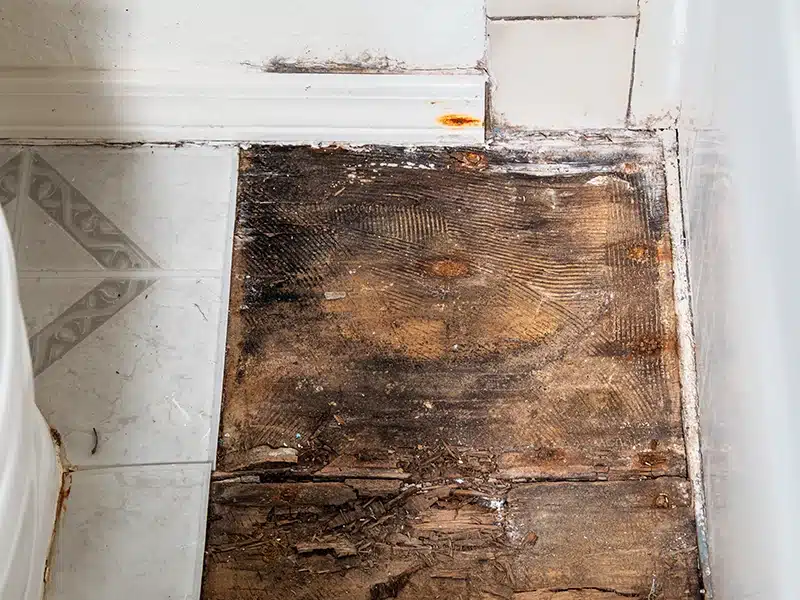
- Rotting wood supports
- Sagging floor joists
- Bowing walls
- Mold or mildew odors
- Cracks in foundation walls
Excess moisture in these areas can weaken support systems and contribute to long-term structural deterioration.
Look for Water Damage and Moisture
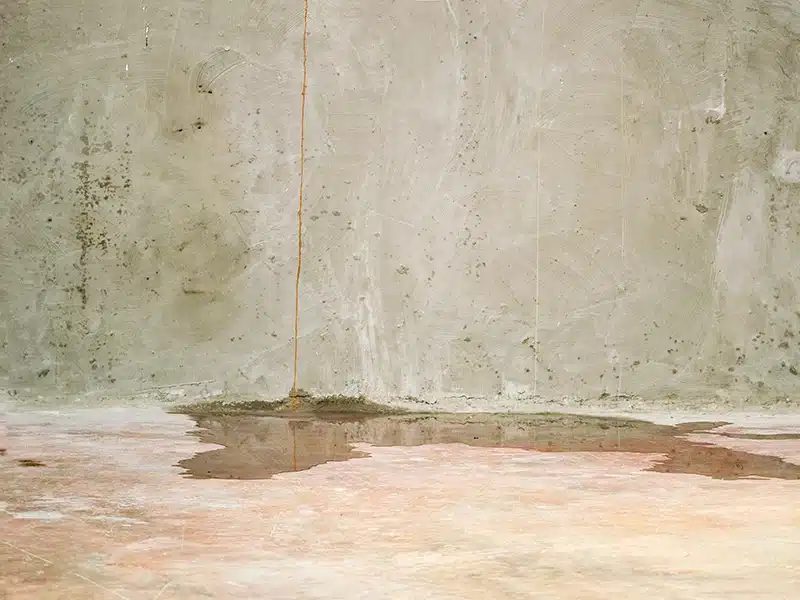
Water intrusion is one of the leading causes of structural damage in homes. Poor drainage, plumbing leaks, and humidity can slowly compromise building materials over time.
Common Moisture Warning Signs:
- Water stains on walls or ceilings
- Damp basement walls
- Mold growth
- Condensation in crawl spaces
- Musty odors
- Soft or warped flooring
If left untreated, moisture problems can contribute to wood rot, foundation settlement, and crawl space instability.
Monitor Changes Over Time
Structural problems rarely improve on their own. Monitoring suspicious areas can help you determine whether damage is becoming more severe.
Helpful Tips:
- Take photos of cracks every few months
- Measure crack widths over time
- Note changes in floor leveling
- Watch for worsening door or window sticking
- Keep track of new moisture issues
If you notice ongoing movement or multiple warning signs appearing together, scheduling a professional structural damage inspection is the safest next step.
Quick Structural Damage Checklist
Use this simple checklist during your inspection:
- Cracks wider than 1/4 inch
- Uneven or sagging floors
- Sticking doors or windows
- Bowing basement walls
- Water near the foundation
- Gaps around trim or ceilings
- Exterior brick cracks
- Crawl space moisture or wood rot
- Foundation cracks spreading over time
Even if only one or two symptoms appear minor, several issues occurring together can indicate larger structural problems developing beneath the surface.
When Structural Damage Becomes Serious
Some structural issues develop slowly and remain manageable when addressed early. Others can escalate quickly and threaten the safety, stability, and value of your home. Knowing when structural damage becomes serious can help homeowners avoid costly repairs and dangerous conditions.
Minor cosmetic imperfections usually stay isolated to one small area. Serious structural damage, however, tends to spread, worsen over time, or affect multiple parts of the home simultaneously.
Call a Professional Immediately If You Notice:
- Large or rapidly expanding cracks
- Bowing or leaning walls
- Floors that slope significantly
- Major foundation cracks
- Chimneys separating from the house
- Severe water intrusion near the foundation
- Sagging ceilings or floor systems
- Doors and windows suddenly becoming difficult to operate throughout the home
- Visible shifting around load-bearing walls
These warning signs may indicate active structural movement that requires professional evaluation.
Why Structural Damage Gets Worse Over Time
Most structural problems do not stop on their own. In many cases, the underlying issue continues putting pressure on the home until repairs are made.
For example:
- Poor drainage can continue weakening soil beneath the foundation
- Crawl space moisture can rot wooden supports
- Foundation settlement can create additional stress on walls and floors
- Water intrusion can erode supporting materials over time
What starts as a small crack may eventually lead to uneven floors, wall separation, or major foundation instability if ignored.
Small Problems Can Lead to Expensive Repairs
Early structural repairs are often far less invasive and less expensive than waiting until the damage becomes severe. Catching issues early may help homeowners avoid:
- Extensive foundation replacement
- Structural framing repairs
- Major crawl space reconstruction
- Interior wall and flooring damage
- Long-term water damage restoration
Addressing warning signs quickly also helps preserve your home’s safety, resale value, and overall structural integrity.
Watch for Multiple Symptoms at Once
One isolated crack may not always indicate serious structural damage. However, several symptoms appearing together usually deserve closer attention.
For example:
- Cracks plus sticking doors
- Uneven floors plus crawl space moisture
- Bowing walls plus water intrusion
- Exterior brick cracks plus interior drywall separation
When multiple issues develop simultaneously, it often points to a larger structural problem affecting the home as a whole.
If you’re unsure whether the damage is cosmetic or structural, a professional structural damage inspection can provide clarity and help prevent the problem from worsening.
What Causes Structural Damage?
Structural damage can develop for several reasons, but most problems begin with movement, moisture, or weakening beneath the home. Understanding the root cause is important because repairing visible symptoms without fixing the underlying issue often leads to recurring damage.
Here are some of the most common causes of structural issues in homes.
Foundation Settlement
Foundation settlement occurs when the soil beneath a home shifts or compresses unevenly. As the foundation moves, different parts of the house can begin sinking or settling at different rates.
This movement often leads to:
- Wall cracks
- Uneven floors
- Sticking doors and windows
- Foundation separation
- Ceiling cracks
Some settlement is normal over time, but excessive or uneven settlement can create serious structural problems if left untreated.
Water Intrusion
Water is one of the biggest threats to a home’s structural stability. Excess moisture around the foundation can weaken soil, increase hydrostatic pressure, and damage building materials over time.
Common sources of water intrusion include:
- Heavy rainfall
- Poor drainage
- Plumbing leaks
- Basement seepage
- Crawl space humidity
Moisture problems can also contribute to mold growth, wood rot, and deterioration of support systems beneath the home.
Poor Drainage Around the Home
Improper drainage allows water to collect near the foundation instead of flowing safely away from the structure. Over time, saturated soil expands and contracts, increasing pressure on foundation walls and causing structural movement.
Drainage Problems Often Include:
- Clogged gutters
- Short downspouts
- Negative yard grading
- Pooling water near the home
- Erosion around the foundation
Correcting drainage issues early can help reduce the risk of future structural damage.
Soil Movement and Expansion
Different soil types react differently to moisture changes. Expansive soils can swell when wet and shrink during dry conditions, creating repeated movement beneath the foundation.
This constant shifting may cause:
- Foundation cracks
- Slab movement
- Structural instability
- Exterior brick separation
- Uneven settling
Homes built on unstable or moisture-sensitive soil are often more vulnerable to structural movement over time.
Crawl Space Moisture Problems
Crawl spaces play a major role in supporting the structure above them. When moisture accumulates beneath the home, wooden beams and floor joists can weaken, warp, or rot.
Common Crawl Space Issues:
- High humidity
- Standing water
- Mold growth
- Wood rot
- Sagging floor supports
Over time, crawl space damage can lead to uneven floors, structural instability, and reduced indoor air quality throughout the home.
Tree Roots and Nearby Vegetation
Large tree roots can absorb moisture from the soil surrounding the foundation, causing soil shrinkage and uneven settlement. In some cases, roots may also place direct pressure on foundations or underground drainage systems.
Homes with large trees planted close to the structure may face a higher risk of foundation movement over time.
Because structural damage can have multiple contributing causes, identifying the source of the problem is just as important as repairing the visible symptoms. A professional inspection can help determine whether moisture, settlement, drainage, or other factors are affecting your home’s structure.
Why Homeowners Trust APEX for Structural Damage Inspections
When homeowners notice signs of structural damage, they need more than a quick surface-level assessment. They need experienced professionals who can identify the root cause of the problem and recommend long-term solutions that protect the home.
At APEX, structural inspections are designed to give homeowners clear answers, honest guidance, and confidence in the condition of their property.
Thorough Structural Evaluations
Structural problems are not always obvious. Cracks, uneven floors, or moisture issues can sometimes point to larger foundation or crawl space concerns hidden beneath the surface.
That’s why APEX takes a comprehensive approach during every inspection by evaluating:
- Foundation conditions
- Crawl space stability
- Interior and exterior cracks
- Floor system performance
- Moisture intrusion
- Drainage concerns
- Signs of structural movement
This detailed process helps homeowners understand both the visible symptoms and the underlying causes of the damage.
Experienced Structural and Foundation Specialists
Structural damage can develop differently depending on the home, soil conditions, drainage, and moisture exposure. The APEX team understands how these factors work together and how to identify problems before they become more severe.
Homeowners trust APEX because the company focuses on:
- Accurate structural assessments
- Long-term repair solutions
- Honest recommendations
- Clear communication
- Quality workmanship
Instead of recommending unnecessary repairs, the goal is to help homeowners make informed decisions about protecting their property.
Solutions Designed for Long-Term Stability
Temporary fixes often allow structural problems to return over time. APEX focuses on repair solutions that address the source of the issue rather than simply covering up symptoms.
Depending on the condition of the home, recommendations may include:
- Foundation repair
- Crawl space repair
- Structural reinforcement
- Drainage improvements
- Moisture control solutions
- Basement waterproofing
Addressing the root cause helps reduce the risk of future structural movement and ongoing damage.
Local Knowledge Matters
Soil conditions, weather patterns, and moisture levels all affect how homes settle and shift over time. APEX understands the regional conditions that commonly contribute to structural damage and foundation problems in local homes.
This experience allows the team to identify risks early and recommend repair strategies that fit the property’s specific needs.
When to Schedule a Professional Structural Inspection
Some structural warning signs are easy to overlook, especially when they develop gradually over time. However, waiting too long to address potential issues can allow damage to spread and become more expensive to repair.
Scheduling a professional structural damage inspection can help homeowners identify problems early, confirm whether damage is cosmetic or structural, and create a plan for protecting the home long-term.
You Should Schedule an Inspection If:
- Cracks continue growing or spreading
- Floors feel uneven or unstable
- Doors and windows suddenly stop operating properly
- Basement or crawl space walls begin bowing
- Moisture problems persist near the foundation
- You notice multiple warning signs appearing together
- Your home has experienced flooding or drainage issues
- You are buying or selling a home
Even if the damage appears minor, professional inspections can uncover hidden structural concerns that may not be visible during a basic walkthrough.
Why Professional Inspections Matter
Structural problems often originate beneath the surface. What looks like a simple drywall crack may actually be connected to foundation settlement, crawl space deterioration, or moisture-related movement.
A professional inspection helps homeowners:
- Identify the root cause of the damage
- Determine the severity of the issue
- Prevent future structural movement
- Avoid unnecessary repairs
- Protect long-term property value
Professional evaluations also provide peace of mind. In some cases, homeowners discover that the issue is cosmetic rather than structural. In others, catching the problem early can prevent far more extensive repairs later.
Don’t Wait for Structural Problems to Get Worse
Structural damage rarely improves without intervention. Small warning signs can gradually lead to larger foundation problems, sagging floors, wall separation, and water intrusion if ignored.
The earlier structural issues are identified, the easier it is to stabilize the home and reduce long-term repair costs.
If you suspect your home may have structural damage, scheduling a professional inspection with APEX can help you understand the condition of your home and the best path forward.

Don’t Ignore the Warning Signs
Knowing how to check for structural damage can help homeowners catch problems early and avoid more serious repairs in the future. Warning signs like wall cracks, uneven floors, sticking doors, moisture intrusion, and bowing walls should never be ignored, especially when multiple symptoms appear at the same time.
While some issues may be cosmetic, others can point to larger structural concerns affecting your home’s stability and safety. Performing regular visual inspections and monitoring changes over time can help you recognize when it’s time to bring in a professional.
At APEX, our team provides thorough structural inspections and long-term repair solutions designed to protect your home from further damage. Whether you’ve noticed early warning signs or major structural concerns, we’re here to help you understand the problem and recommend the right solution.
Protect your home, your safety, and your investment by addressing structural issues before they become larger and more costly repairs.
Frequently Asked Questions About Structural Foundation Damage
Can structural damage get worse over time?
Yes. Structural damage often becomes more severe when the underlying issue is not addressed. Problems like foundation settlement, water intrusion, and crawl space moisture can continue affecting the home’s stability over time, leading to larger cracks, uneven floors, and more expensive repairs.
Are wall cracks always structural?
Not always. Small hairline cracks can develop naturally as a home settles or materials expand and contract with seasonal changes. However, large cracks, stair-step cracks, horizontal cracks, or cracks that continue growing may indicate structural movement and should be professionally evaluated.
How much does structural damage repair cost?
Structural damage repair costs vary depending on the severity of the problem, the affected area, and the type of repair needed. Minor repairs may be relatively inexpensive, while major foundation or structural stabilization projects can cost significantly more. A professional inspection is the best way to determine the extent of the damage and the appropriate repair solution.
Can water damage cause structural issues?
Yes. Excess moisture is one of the leading causes of structural damage in homes. Water intrusion can weaken soil beneath the foundation, increase pressure against basement walls, and contribute to wood rot in crawl spaces and floor systems.
What are the first signs of foundation problems?
Some of the earliest warning signs include:
- Cracks in walls or floors
- Sticking doors and windows
- Uneven floors
- Gaps around trim or ceilings
- Exterior brick cracks
- Moisture issues near the foundation
These symptoms may indicate foundation settlement or structural movement.
Should I buy a house with structural damage?
A home with structural damage is not always a bad investment, but it’s important to understand the severity of the issue before purchasing. A professional structural inspection can identify the cause of the damage, estimate repair needs, and help buyers make an informed decision.
Foundation Problems? We Have Solutions
Left untreated, a damaged foundation can lead to much bigger problems that will inevitably cost you. Instead of waiting to see what happens, call Apex Foundation Specialists today.