
Foundation Cracks vs. Normal Settling: What Homeowners Need to Know
Jul 20, 2026
If you’ve noticed cracks in your walls, floors, or foundation, your first thought is probably: Is this serious?
The truth is, not all cracks mean your home has a major problem. In many cases, they’re just the result of normal settling, which happens to almost every house over time.
But some cracks can point to real foundation issues that need attention before they get worse.
In this guide, we’ll break down the difference between foundation cracks vs. normal settling, so you know what’s harmless, what’s not, and when it’s time to call in a professional.
What Is Normal Foundation Settling?
Every home settles. It’s a natural part of how buildings adjust to the ground beneath them.
After construction, the soil under your home begins to compact and shift slightly, causing the foundation to move just a small amount. This is called normal settling.
What normal settling typically looks like:
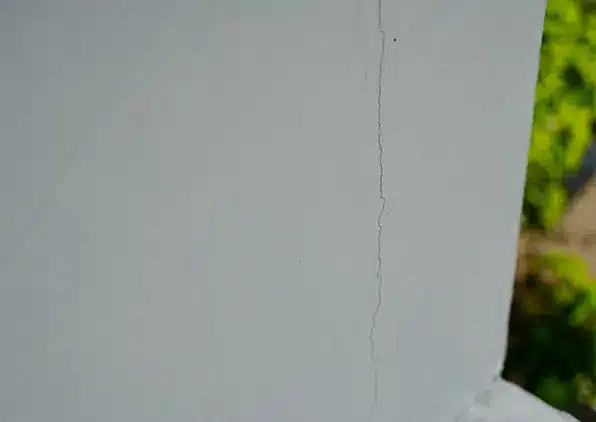
- Small, thin cracks (often called hairline cracks)
- Vertical cracks in walls or foundation
- Minor drywall cracks around doors and windows
- Cracks that don’t change over time
Most of this settling happens within the first few years after a home is built, but small adjustments can continue over time depending on soil and moisture conditions.
The key thing to understand:
Normal settling is expected and usually not a structural concern.
The challenge is knowing when those cracks go beyond normal and start signaling something more serious. That’s where many homeowners get stuck—and where a closer look becomes important.
What Are Foundation Cracks?
Foundation cracks are visible breaks in your home’s foundation, walls, or floors. While some are harmless, others can be a sign that your home is under stress from movement, pressure, or moisture issues.
Cracks form when the foundation shifts beyond what’s considered normal settling. This movement can come from several sources, including:
- Expanding and shrinking soil
- Poor drainage around the home
- Excess moisture or drought conditions
- Uneven soil support beneath the foundation
Not all cracks are equal
Some cracks stay small and stable for years. Others can grow, widen, or spread—pointing to deeper structural concerns.
That’s why it’s important to look at the type, size, and direction of a crack, not just the fact that it exists.
Foundation Cracks vs. Settling: Key Differences
Understanding the difference comes down to patterns and behavior over time.
Here’s a simple breakdown to help you spot the difference:
| Type | What It Looks Like | Risk Level |
| Normal Settling | Thin, vertical hairline cracks | Low |
| Minor Foundation Crack | Slightly wider, stable cracks | Moderate (monitor) |
| Structural Crack | Horizontal or stair-step cracks | High |
| Active Movement | Cracks growing or spreading over time | High |
Quick takeaway:
- Small, vertical cracks that don’t change are usually normal
- Wide, horizontal, or growing cracks can signal structural problems
The biggest red flag isn’t just the crack itself—it’s whether the crack is getting worse over time.
Types of Foundation Cracks (And What They Mean)
Not all cracks are created equal. The shape and direction of a crack can tell you a lot about what’s going on beneath your home.
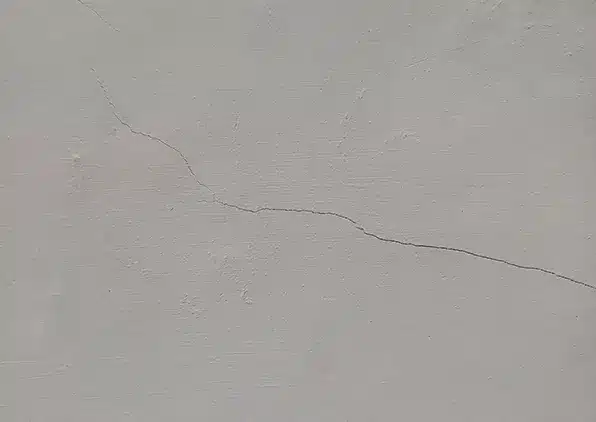
Hairline Cracks
These are very thin cracks, often the width of a sheet of paper.
- Usually caused by normal settling
- Common in new homes
- Typically not a structural concern
- Should be monitored, but rarely need repair
Vertical Cracks
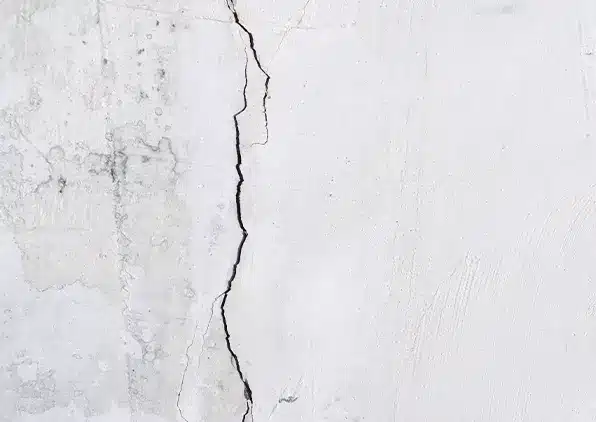
These cracks run straight up and down or slightly diagonal.
- Often caused by normal settling
- Usually found in poured concrete foundations
- Can allow water in if they widen
- Low risk if they stay small and stable
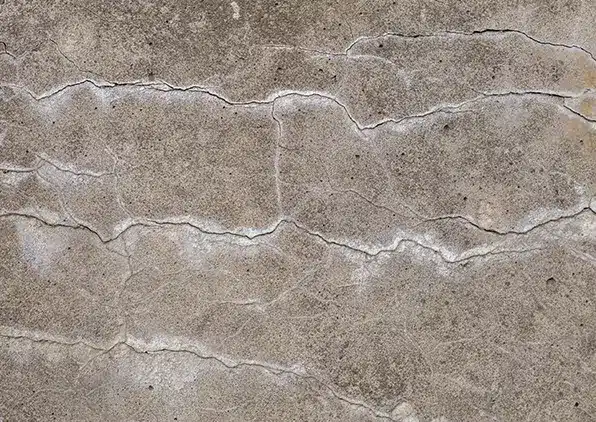
Horizontal Cracks
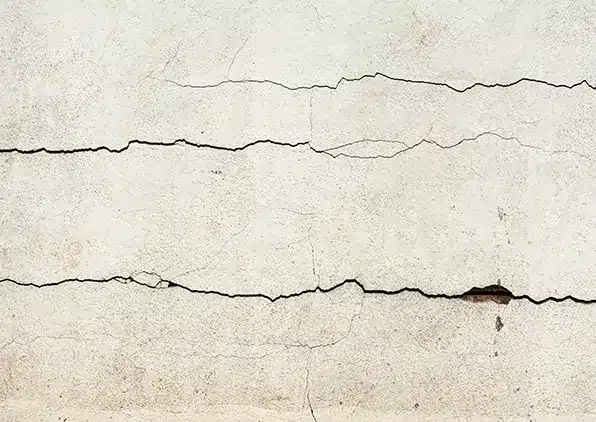
These run side-to-side along foundation walls.
- Often caused by soil pressure pushing against the wall
- Can indicate serious structural stress
- May lead to bowing walls over time
- High risk and should be inspected quickly
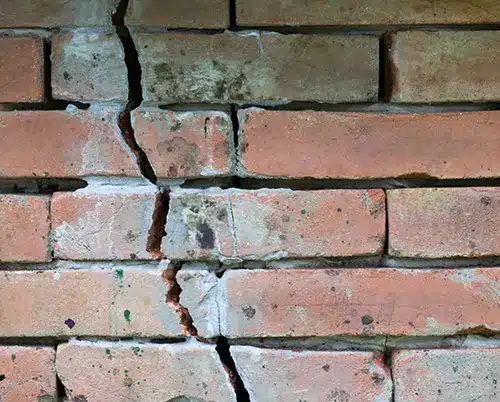
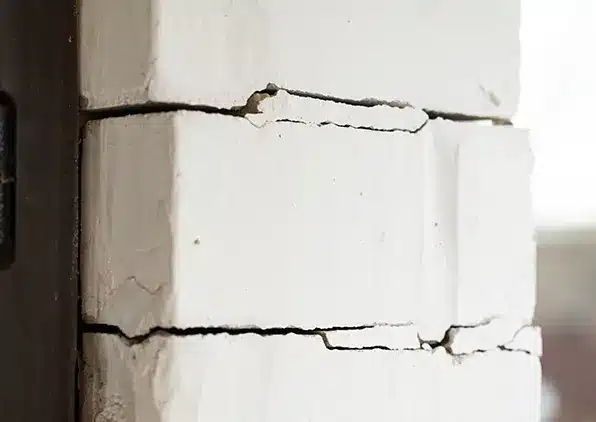
Stair-Step Cracks
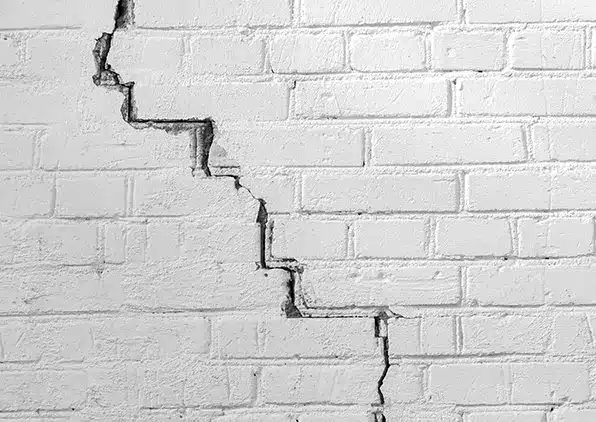
These cracks follow the pattern of brick or block joints.
- Common in masonry foundations
- Often caused by uneven settling or shifting soil
- Can start small but worsen over time
- Moderate to high risk depending on growth
Quick takeaway:
- Vertical and hairline cracks = usually normal
- Horizontal and stair-step cracks = potential structural issue
Warning Signs It’s More Than Normal Settling
Cracks alone don’t always tell the full story. When they show up alongside other symptoms, it’s more likely you’re dealing with a real foundation problem.
Watch for these signs:
- Cracks wider than 1/4 inch
- Cracks that are getting longer or wider
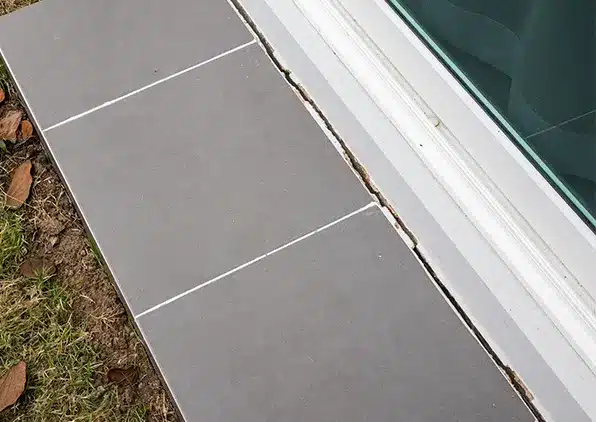
- Doors or windows that stick or won’t close properly
- Uneven or sloping floors
- Gaps between walls and ceilings or floors
- Bowing or leaning foundation walls
- Water leaking through cracks
- Cracks appearing in multiple areas of the home
These signs often point to ongoing movement, not just normal settling. And when movement continues, the damage tends to get worse—and more expensive to fix.
When Should You Be Concerned About Foundation Cracks?
It’s normal to see small cracks but there’s a point where they go from harmless to something you shouldn’t ignore.
You should take a closer look if you notice:
- Cracks wider than 1/4 inch
- Horizontal cracks along foundation walls
- Stair-step cracks in brick or block
- Cracks that are growing over time
- Multiple cracks forming in different areas
- Cracks paired with sticking doors or uneven floors
A simple rule of thumb:
- Stable cracks = usually low concern
- Changing or widening cracks = time to act
Even if you’re not sure, it’s better to have a professional take a look early. Small issues are much easier (and more affordable) to fix before they turn into major structural repairs.
What Causes Problematic Foundation Movement?
When cracks go beyond normal settling, there’s usually an underlying issue putting stress on your foundation.
Here are the most common causes:
1. Expansive Soil
Some soils expand when they absorb water and shrink when they dry out.
- This constant movement puts pressure on your foundation
- Over time, it can lead to cracking and shifting
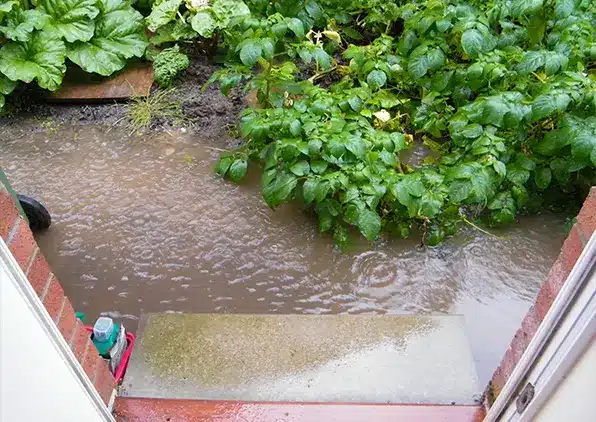
2. Poor Drainage
Water pooling around your home can weaken the soil.
- Saturated soil loses its ability to support the foundation
- This can cause sinking or uneven settling
3. Drought Conditions
Lack of moisture can be just as damaging as too much water.
- Soil dries out and shrinks
- This creates gaps under the foundation, leading to movement
4. Tree Roots
Large trees near your home can affect soil moisture levels.
- Roots absorb water from the soil
- This can cause uneven drying and shifting
5. Poor Construction or Soil Preparation
If the soil wasn’t properly compacted before building, problems can show up later.
- Uneven support leads to uneven settling
- Cracks may appear sooner and worsen over time
Foundation problems don’t usually fix themselves. If the underlying cause isn’t addressed, cracks will continue to form—and often get worse.
What to Do If You Notice Cracks
Finding cracks in your home can feel stressful, but the key is to stay calm and take the right steps.
1. Take a closer look
Start by checking:
- The size of the crack
- The direction (vertical, horizontal, stair-step)
- The location (walls, floors, foundation)
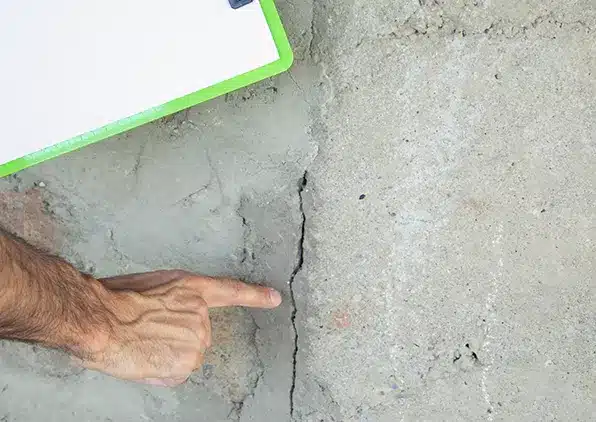
2. Monitor for changes
Not all cracks need immediate action.
- Mark the ends of the crack with a pencil
- Measure the width if possible
- Check back every few weeks
If the crack is growing or spreading, that’s a clear sign something is moving.
3. Check for other warning signs
Look around your home for related issues like:
- Sticking doors or windows
- Uneven floors
- Gaps around trim or ceilings
- Water intrusion
These clues help determine if it’s more than normal settling.
4. Don’t ignore it
Even small cracks can turn into bigger problems if they’re caused by ongoing movement.
Catching issues early can save you from more costly repairs later.
5. Schedule a professional inspection
When in doubt, have an expert take a look.
A professional can:
- Identify the root cause
- Tell you if it’s normal settling or structural damage
- Recommend the right solution (if needed)
Why Homeowners Choose APEX for Foundation Repair
When it comes to foundation cracks, homeowners want answers they can trust—not guesswork or pressure.
That’s where APEX stands out.
Thorough, honest foundation inspections
APEX focuses on accurate evaluations, not quick sales.
- We look at the full picture, not just the crack
- We explain what’s normal and what’s not
- If you don’t need repairs, we’ll tell you
Solutions tailored to your home
Every foundation issue is different.
APEX provides:
- Targeted repair recommendations
- Long-term solutions, not temporary fixes
- Clear explanations so you understand your options
Experience with real foundation problems
Our team has seen it all—from minor settling cracks to serious structural damage.
That experience helps us:
- Spot warning signs early
- Prevent problems from getting worse
- Deliver repairs that last
A focus on peace of mind
At the end of the day, you just want to know your home is safe.
APEX helps you:
- Understand what’s happening
- Avoid unnecessary repairs
- Move forward with confidence
Foundation Cracks vs. Settling: What to Do Next
Not all foundation cracks mean trouble—but some do.
The key is knowing the difference between normal settling and signs of a deeper problem. Small, stable cracks are often harmless. But cracks that grow, spread, or appear alongside other issues can point to structural movement that needs attention.
When in doubt, it’s always better to check early rather than wait. A quick inspection can give you peace of mind and help you avoid more serious repairs down the road.
If you’re seeing cracks and aren’t sure what they mean, APEX can help you get clear answers and the right next steps.
FAQ: Foundation Cracks vs. Normal Settling
Are small foundation cracks normal?
Yes. Small hairline cracks are common and usually caused by normal settling. They’re typically not a structural concern unless they grow or change over time.
How wide is too wide for a foundation crack?
Cracks wider than 1/4 inch should be evaluated by a professional, especially if they continue to expand.
Do all foundation cracks need repair?
No. Many cracks are cosmetic and don’t require repair. The key is determining whether the crack is stable or caused by ongoing movement.
Can house settling cause wall cracks?
Yes. Normal settling can lead to small cracks in drywall, especially around doors and windows. These are usually harmless if they don’t worsen.
How do I know if my foundation is sinking?
Signs of a sinking foundation include:
- Uneven floors
- Cracks that widen over time
- Doors and windows sticking
- Gaps around walls or ceilings
If you notice these signs, it’s best to schedule an inspection.
Foundation Problems? We Have Solutions
Left untreated, a damaged foundation can lead to much bigger problems that will inevitably cost you. Instead of waiting to see what happens, call Apex Foundation Specialists today.