
Crawl Space Dehumidifier for Encapsulation: Do You Really Need One?
Sep 01, 2026
Most homeowners know that moisture is bad for a crawl space. That's why many choose crawl space encapsulation to help keep the area dry and protect their home's foundation. But there's one important piece of the system that's often overlooked: the crawl space dehumidifier.
An encapsulation system does an excellent job of blocking outside moisture with a vapor barrier and sealed vents. However, humidity can still build up inside the crawl space from the home's natural air movement, small air leaks, or changing weather conditions. That's where a crawl space dehumidifier comes in.
When paired with a professionally installed encapsulation system, the right dehumidifier helps maintain healthy humidity levels, reduces the risk of mold growth, protects wood framing, and creates a cleaner, healthier environment beneath your home.
In this guide, we'll explain how crawl space dehumidifiers work, whether every encapsulated crawl space needs one, and how to know if your home could benefit from a complete moisture control system.

Quick Takeaways
- A crawl space dehumidifier removes excess humidity that can remain after encapsulation.
- Encapsulation and dehumidification work together to create long-term moisture control.
- High humidity can lead to mold, wood rot, musty odors, and poor indoor air quality.
- Not every encapsulated crawl space requires a dehumidifier, but many homes benefit from one.
- A professional inspection helps determine the right moisture control solution for your home.
What Does a Crawl Space Dehumidifier Do?
A crawl space dehumidifier is designed to remove excess moisture from the air and keep humidity at a healthy level. While an encapsulation system helps block moisture from entering the crawl space, it doesn't always eliminate the humidity that's already present or generated over time.
When humidity stays too high, it creates the perfect environment for mold, mildew, wood rot, and musty odors. Over time, excess moisture can also affect insulation, reduce indoor air quality, and contribute to foundation problems if left unchecked.
A properly sized crawl space dehumidifier works continuously to maintain a stable environment by pulling moisture from the air and draining it away. This helps protect both the crawl space and the structural components that support your home.
How a Crawl Space Dehumidifier Helps
- Maintains healthy humidity levels year-round
- Reduces the risk of mold and mildew growth
- Helps prevent wood rot and moisture damage
- Minimizes musty odors that can travel into your home
- Protects insulation from becoming damp and less effective
- Supports better indoor air quality
- Improves the overall performance of an encapsulated crawl space
| Without a Dehumidifier | With a Dehumidifier | Benefit |
| High humidity | Controlled humidity | Healthier crawl space |
| Condensation on surfaces | Dry, stable conditions | Lower mold risk |
| Damp, musty odors | Fresher air | Improved indoor comfort |
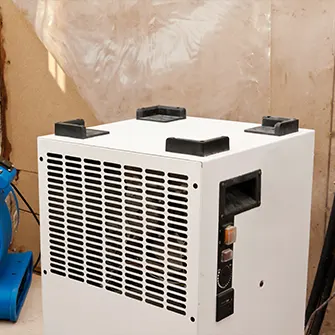
Good to know: Encapsulation keeps outside moisture from getting in, while a crawl space dehumidifier manages the humidity that remains inside. Together, they create a complete moisture control system that helps protect your home for years to come.
Does Every Encapsulated Crawl Space Need a Dehumidifier?
The short answer is: not always.
Some encapsulated crawl spaces stay dry enough without one, while others benefit greatly from adding a dehumidifier. The right solution depends on your home's environment, how much moisture is present, and how well the crawl space is sealed.
A professional crawl space inspection is the best way to determine whether a dehumidifier should be part of your encapsulation system. Instead of guessing, an experienced contractor can evaluate humidity levels, moisture sources, drainage, and the overall condition of the crawl space before making a recommendation.
When a Crawl Space Dehumidifier Is Recommended
Many homes benefit from a dehumidifier if they have one or more of the following conditions:
- High humidity throughout the year
- A history of mold or mildew in the crawl space
- Frequent condensation on pipes or ductwork
- Poor drainage around the home's foundation
- A naturally damp climate or heavy seasonal rainfall
- A larger crawl space where humidity is harder to control
- Musty odors inside the home
- Elevated indoor humidity levels
In these situations, a dehumidifier helps maintain consistent humidity levels and supports the long-term performance of the encapsulation system.
When a Dehumidifier May Not Be Necessary
Not every encapsulated crawl space requires additional humidity control.
A dehumidifier may not be needed if:
- The crawl space remains consistently dry after encapsulation.
- Drainage and grading effectively move water away from the home.
- The vapor barrier and air sealing are properly installed.
- Humidity stays within the recommended range during routine inspections.
Even in these cases, it's important to monitor humidity over time. Seasonal weather changes, heavy rainfall, or changes around your property can affect moisture levels in the future.
Factors That Help Determine the Right Solution
| Factor | Why It Matters | Possible Recommendation |
| Climate | Humid regions hold more moisture | Dehumidifier often recommended |
| Drainage | Standing water increases humidity | Improve drainage first |
| Encapsulation Quality | Better sealing reduces moisture | Evaluate during inspection |
Remember: A crawl space dehumidifier isn't a replacement for proper encapsulation. If water is entering through the ground, foundation walls, or poor drainage, those issues should be addressed first. The dehumidifier is designed to control humidity—not solve active water intrusion.
Why Encapsulation and a Dehumidifier Work Better Together
Think of crawl space encapsulation and a dehumidifier as two parts of the same moisture control system. While each serves a different purpose, they work together to create a cleaner, drier, and healthier crawl space.
Encapsulation focuses on keeping moisture out, while a dehumidifier focuses on removing excess humidity from the air. When combined, they provide more reliable, long-term protection than either solution can offer on its own.
Here's How the System Works
- Water is redirected away from your home.
Proper grading, drainage improvements, or a sump pump help reduce water entering the crawl space. - A vapor barrier blocks ground moisture.
A durable vapor barrier covers the crawl space floor and, in most cases, the walls to reduce moisture entering from the soil. - The crawl space is sealed.
Vents, gaps, and other openings are closed to limit humid outside air from entering the space. - A dehumidifier controls the remaining humidity.
Any moisture left in the air is removed, helping maintain healthy humidity levels throughout the year.

Why This Combination Matters
When every part of the system is working together, homeowners can enjoy benefits such as:
- Better protection against mold and mildew
- Lower risk of wood rot and structural moisture damage
- Fewer musty odors inside the home
- Improved indoor air quality
- Better protection for insulation and HVAC components
- More consistent humidity levels throughout the year
Encapsulation vs. Dehumidification
| Encapsulation | Dehumidifier | Together They... |
| Blocks outside moisture | Removes airborne humidity | Create complete moisture control |
| Seals the crawl space | Maintains healthy humidity | Protect the crawl space year-round |
| Helps prevent water intrusion | Reduces condensation | Supports a healthier home |
The bottom line: A crawl space dehumidifier delivers the best results when it's part of a professionally designed encapsulation system. Rather than treating symptoms, the combination addresses moisture from multiple angles to help protect your home's foundation, improve indoor comfort, and extend the life of your crawl space.
Signs Your Crawl Space Needs Better Humidity Control
Even if your crawl space has already been encapsulated, it's important to keep an eye on humidity levels. Over time, changes in the weather, drainage issues, or normal wear can allow excess moisture to build up again.
The good news is that your crawl space will often show warning signs before moisture causes serious damage. Recognizing these early can help you address the problem before it affects your home's structure or indoor air quality.
Watch for These Common Signs
- Musty odors coming from the crawl space or inside your home
- Condensation on pipes, ductwork, or other surfaces
- Visible mold or mildew on wood framing or insulation
- Wood rot or soft, deteriorating floor joists
- High indoor humidity, especially during warmer months
- Insulation that is damp, sagging, or falling down
- Rust on metal components, such as HVAC equipment or fasteners
- Increased pest activity, since insects and rodents are attracted to damp environments
These issues don't always mean you need a new encapsulation system, but they do indicate that your crawl space moisture levels should be evaluated.
A Quick Self-Check
If you're comfortable accessing your crawl space, here are a few things you can look for:
| Check | Healthy Sign | Warning Sign |
| Air | Clean, dry smell | Musty or damp odor |
| Vapor Barrier | Flat and intact | Loose, torn, or damaged |
| Wood & Insulation | Dry and solid | Damp, stained, or moldy |
If you notice one or more of these warning signs, it's a good idea to schedule a professional crawl space inspection. Moisture problems rarely improve on their own, and catching them early can help prevent more costly repairs later.
Don't ignore the signs. Excess humidity doesn't just affect your crawl space—it can contribute to mold growth, wood deterioration, reduced energy efficiency, and even foundation issues over time. Addressing humidity early helps protect your entire home.
Choosing the Right Crawl Space Dehumidifier
Not all crawl space dehumidifiers are the same. Choosing the right system is about more than buying the largest unit available. A dehumidifier that's too small may struggle to keep humidity under control, while one that's oversized can cycle on and off too frequently, reducing efficiency and shortening its lifespan.
That's why it's important to select a dehumidifier based on your crawl space's size, moisture levels, and overall encapsulation system.
Size Matters
A properly sized dehumidifier should be matched to the square footage and conditions of your crawl space.
Factors that influence sizing include:
- The total size of the crawl space
- Current humidity levels
- Local climate
- How well the crawl space is sealed
- Whether groundwater or drainage issues are present
A professional assessment helps ensure your system is sized correctly for reliable, long-term performance.
Plan for Continuous Drainage
Unlike portable household dehumidifiers that require frequent emptying, crawl space dehumidifiers are designed to drain automatically.
Depending on your home's setup, water may drain into:
- A floor drain
- A sump pump basin
- A condensate pump
- Another approved drainage location
Continuous drainage allows the system to operate efficiently without regular maintenance.
Look for Energy-Efficient Performance
Because crawl space dehumidifiers often run throughout the year, energy efficiency is an important consideration. Modern, high-efficiency systems can effectively control humidity while helping keep operating costs reasonable.
A quality dehumidifier also helps reduce strain on your home's HVAC system by limiting excess moisture in the air.
Professional Installation Makes a Difference
Even the best dehumidifier won't perform as intended if it's installed incorrectly. Placement, drainage, airflow, and system settings all affect how well it controls humidity.
A professional installation helps ensure:
- The unit is properly sized for the space.
- Air circulates efficiently throughout the crawl space.
- Drainage is installed correctly.
- Humidity is set to the appropriate level.
- The dehumidifier works with your encapsulation system instead of against it.
| Consideration | Why It Matters | Professional Tip |
| Proper Size | Better humidity control | Match the unit to the crawl space |
| Continuous Drainage | Reliable operation | Connect to a permanent drain |
| Professional Installation | Maximum performance | Integrate with the encapsulation system |
Tip: A crawl space dehumidifier performs best as part of a complete moisture management strategy. Before installing one, it's important to address water intrusion, drainage problems, or damaged encapsulation materials so the system can operate as efficiently as possible.
Why Homeowners Choose APEX for Crawl Space Encapsulation
Every crawl space is different, which means there isn't a one-size-fits-all solution for moisture control. At APEX, we take the time to understand what's causing the problem before recommending the right combination of repairs, encapsulation, and humidity control.
Whether your crawl space needs a professionally installed dehumidifier, drainage improvements, or a complete encapsulation system, our goal is the same: to create a dry, healthy space that helps protect your home for years to come.
Our Crawl Space Encapsulation Process Includes
- A thorough inspection to identify moisture sources
- Recommendations based on your home's specific conditions
- High-quality vapor barrier installation
- Air sealing to reduce outside humidity
- Drainage and waterproofing solutions when needed
- Professional crawl space dehumidifier installation, if appropriate
- Long-term solutions designed to protect your foundation
We believe in addressing the root cause of moisture instead of simply treating the symptoms. By combining proven encapsulation methods with the right humidity control strategy, we help homeowners reduce the risk of mold, wood rot, poor indoor air quality, and costly structural damage.
Whether you're dealing with a damp crawl space today or looking to protect your home before problems develop, APEX can help you build a complete moisture management system that's designed for lasting performance.
Protect Your Home with a Complete Crawl Space Moisture Control System
A crawl space dehumidifier can be an excellent investment—but it delivers the best results when it's part of a professionally designed encapsulation system. Together, these solutions help control moisture, improve indoor air quality, and protect the structural integrity of your home.
If you've noticed musty odors, high humidity, condensation, or other signs of excess moisture, don't wait for the problem to get worse. A professional crawl space inspection can identify what's causing the issue and recommend the right solution for your home.
At APEX, we provide customized crawl space encapsulation and moisture control solutions designed to keep your crawl space dry, your foundation protected, and your home healthier year-round.
Contact APEX today to schedule a crawl space inspection and find out whether a crawl space dehumidifier is the right addition to your encapsulation system.
Crawl Space Dehumidifier FAQs
Do I need a dehumidifier if my crawl space is encapsulated?
Not always. Some encapsulated crawl spaces maintain healthy humidity levels without a dehumidifier, while others benefit from one due to climate, drainage conditions, or naturally high moisture levels. A professional inspection can determine whether adding a dehumidifier is the right choice for your home.
What humidity level should an encapsulated crawl space stay at?
In general, an encapsulated crawl space should maintain a relative humidity level below 60% to help reduce the risk of mold growth, wood rot, and other moisture-related issues. A crawl space dehumidifier can help maintain consistent humidity throughout the year.
Can a crawl space dehumidifier replace encapsulation?
No. A crawl space dehumidifier removes moisture from the air, but it doesn't stop moisture from entering the crawl space. Encapsulation seals the space with a vapor barrier and other moisture-control measures, while the dehumidifier manages the remaining humidity. The two systems are designed to work together.
How long does a crawl space dehumidifier last?
Most high-quality crawl space dehumidifiers last between 5 and 10 years, depending on the model, operating conditions, and routine maintenance. Regular filter cleaning and annual inspections can help extend the system's lifespan.
How do I know if my crawl space dehumidifier is working properly?
A properly functioning dehumidifier should keep humidity at a consistent level without excessive condensation, musty odors, or visible mold. If your crawl space still feels damp or humidity remains high, the system may need maintenance, repairs, or a professional evaluation.
How often should a crawl space dehumidifier be serviced?
Most manufacturers recommend inspecting and servicing a crawl space dehumidifier at least once a year. Routine maintenance typically includes cleaning or replacing filters, checking the drainage system, and ensuring the unit is operating efficiently.
Will a crawl space dehumidifier lower my energy bills?
It can. By reducing excess moisture in the air, a crawl space dehumidifier may help your HVAC system operate more efficiently because it doesn't have to work as hard to control indoor humidity. While energy savings vary by home, maintaining proper humidity can improve overall comfort and efficiency.
Can I install a crawl space dehumidifier myself?
While some homeowners choose to install one themselves, professional installation is often recommended. Proper sizing, placement, drainage, and integration with your crawl space encapsulation system all affect how well the unit performs. A professional can ensure the system is installed correctly for long-term moisture control.
Foundation Problems? We Have Solutions
Left untreated, a damaged foundation can lead to much bigger problems that will inevitably cost you. Instead of waiting to see what happens, call Apex Foundation Specialists today.